Cart
0
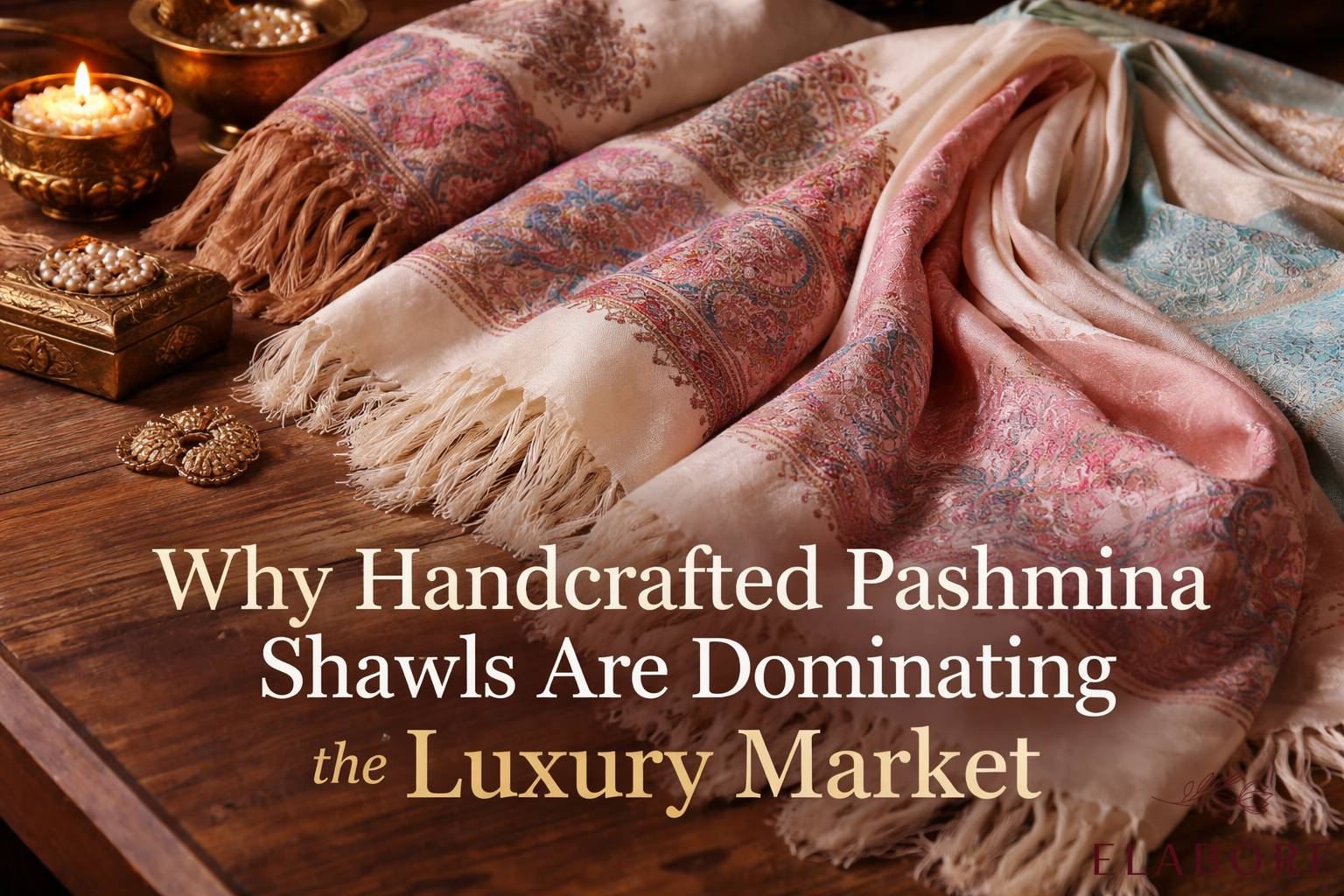
The global luxury textile market is witnessing a powerful renaissance, and at the heart of this revival are handcrafted pashmina shawls. The exceptional garments of wearable art developed through time have spread across different countries and cultures to become one of the most sought-after luxury items in the world today. Handcrafted pashmina shawls serve as a unique product for wholesalers and retailers and importers and luxury brands because they create a market distinction through their combination of product characteristics and storytelling elements and their historical background and exceptional product value.
Handcrafted pashmina shawls originate from the Kashmir Valley of India which serves as their production site for products made from the Changthangi goat's undercoat. The fiber known as pashm exists as one of the world's most exceptional natural fibers because it has a diameter that ranges between 10 and 15 microns. The process of creating a handcrafted pashmina shawl from raw pashm requires several weeks to complete depending on the detailed design elements and their complexity.
Handcrafted pashmina shawls function as fundamental products for high-end boutiques and department stores and luxury e-commerce platforms and fashion houses within the B2B luxury sector. The demand for handcrafted pashmina shawls is no longer confined to traditional markets. Handcrafted pashmina shawls become the target of European and North American and Middle Eastern and Japanese and Australian buyers who seek sustainable authentic luxury products that show artisanal craftsmanship.
The article examines handcrafted pashmina shawls through their superior craftsmanship and high market prices and worldwide demand patterns and sourcing best practices. Handcrafted pashmina shawls present a strong business opportunity
buyers who want to extend their luxury collection and retailers who need high-margin products and brands who want to connect with environmentally conscious luxury shoppers.
Why Handcrafted Pashmina Shawls Are Premium
The expensive status of handcrafted pashmina shawls exists because their materials are rare and their production requires great effort and their cultural heritage remains unmatched by any machine-made item. Business professionals need to understand the reason behind handcrafted pashmina shawls' high pricing which helps them establish appropriate market positioning for these luxury items.
The raw materials used in handcrafted pashmina shawls create a unique distinction between them and other products. Changthangi goats produce between 80 and 170 grams of usable pashm fiber which people harvest only once per year during the spring molting season. The extreme scarcity of genuine handcrafted pashmina shawls creates an infinite supply restriction which enhances their status as luxury items and boosts their market price.
The process of creating handcrafted pashmina shawls requires multiple steps which demand special expertise that Kashmiri artisans have inherited through many generations. The dehairing process starts with workers using their hands to eliminate the thicker guard hairs from raw pashm fiber which can take several hours to finish one batch. The material undergoes hand-spinning on a charkha, which is a traditional wooden spinning wheel, and this process needs both remarkable skill and extensive experience. The artisans who hand-spin yarn will create threads that become ready for hand-operated loom weaving, where they will achieve precise thread interlacing.
The value of handcrafted pashmina shawls increases significantly when artisans apply embroidery techniques which include the famous Sozni and Kani methods. A master weaver needs two to three years to complete a single Kani shawl which features complex multi-color thread work. Handcrafted pashmina shawls exist as premium products because they exist as artistic works that artisans create instead of factory-produced merchandise.
The exceptional retail margins of handcrafted pashmina shawls become accessible to B2B buyers because these products exist in a premium market position. Handcrafted pashmina shawls rank as one of the most profitable luxury SKUs for retailers who report their sales performance.
The Art Behind Handcrafted Pashmina Shawls
People need to study the complete handicraft system which makes pashmina shawls to understand their value during their actual creation. The craft of creating handcrafted pashmina shawls exists as an interconnected network which includes multiple artisanal techniques that each developed through centuries of practice and cultural heritage.
The creation of handcrafted pashmina shawls begins in the Changthang plateau which exists at an elevation of 4500 meters where Changthangi goats grow their exceptional inner wool through their natural response to harsh winter conditions. Nomadic herders called Changpas collect this fiber during spring by combing or natural molting. The raw pashm is then transported to the Kashmir Valley, the traditional hub of handcrafted pashmina shawls production.
The Kashmir fiber undergoes its initial transformation through paining which serves as a manual process for cleaning and softening raw pashm before its conversion into spinning material. The cleaned pashm is transformed into fine yarn by skilled artisans who use traditional spinning wheels to perform their work at home. The spinning of yarn for handcrafted pashmina shawls is an art in itself; the resulting thread must be consistent, strong, and of a fineness that machines struggle to match without artificial additives.
The process of creating handcrafted pashmina shawls reaches its next essential phase through the weaving procedure. The skilled weavers use traditional kani looms to create patterned shawls and twill looms to produce plain weaves as they methodically combine the warp and weft threads of their handlooms. The weaving of handcrafted pashmina shawls requires an intimate knowledge of tension, pattern, and fiber behavior. Experienced weavers hold great importance for the artisanal shawls ecosystem because their presence protects against problems which arise from losing focus.
The highest level of pashmina shawl artistry exists through the embroidery work which crafts these handmade shawls. The Sozni style involves needle-point floral and paisley motifs worked in fine silk thread on a pashmina
Benefits of Handcrafted Pashmina Shawls for Retailers
Luxury and premium lifestyle retail businesses achieve multiple business advantages when they choose to sell handmade pashmina shawls. Buyers and merchandising teams need to comprehend these advantages because they assess product strategy development for their business needs. Retailers achieve their most immediate benefit through handcrafted pashmina shawls which produce high selling prices and result in substantial profit margins. Retailers can achieve gross margins that exceed standard apparel and accessory margins because consumers recognize that authentic handcrafted pashmina shawls cost more. Handcrafted pashmina shawls at luxury boutiques typically sell between USD 300 and USD 5,000 with heavily embroidered pieces generating high revenue per sale.
Handcrafted pashmina shawls display excellent durability which allows them to remain available for sale across extended periods. Handcrafted pashmina shawls maintain their value because they endure beyond their original trend cycle. The combination of their traditional designs and top-quality fabrics and their cultural heritage enables them to retain appeal throughout different seasons which makes them a dependable choice for businesses to stock. Retailers who want to minimize markdown risk should consider handheld pashmina shawls because these products have low price volatility as luxury stock keeping units. Handcrafted pashmina shawls enable retailers to present their business identity through authentic cultural knowledge which high status products their business creates. The ability to show "we sell authentic handcrafted pashmina shawls" enables retail businesses to stand out from their competitors who sell similar products. The presence of these artisanal shawls in a store or collection enables customers to recognize better quality standards throughout the entire store or collection.
Handcrafted pashmina shawls make ideal presents for people who need gift options business gifting needs and special events which generate high-value shopping opportunities. Multiple luxury retailers observe that their sales of handcrafted pashmina shawls increase substantially during holiday seasons.
Are you prepared to improve your luxury product collection? The wholesale team is available for contact to discuss our complete collection of authentic handcrafted pashmina shawls and to provide bulk pricing information.
Handcrafted Pashmina Shawls vs Machine-Made Shawls
The dispute between handcrafted pashmina shawls and their machine-made counterparts goes beyond their visual appeal because it centers on fundamental questions of value and authenticity and market distribution. B2B buyers need to learn about the specific characteristics that differentiate handcrafted pashmina shawls from machine-made varieties because this knowledge helps them create product strategies and communicate with customers. The fundamental distinction between the two concepts exists in their fundamental fibers.
Authentic handcrafted pashmina shawls use authentic pashm fiber which has a micron count below 16 to create fabrics that provide exceptional softness and lightweight warmth. The term "pashmina" used on machine-produced shawls usually refers to products made from merino wool and viscose blends and acrylic fibers which create a similar look to pashm but not its actual thermal properties or softness or durability. The main issue which buyers who seriously consider this matter need to know about exists between handmade shawls and machine-made shawls.
Handcrafted pashmina shawls display their authentic construction through their deliberate loose design which creates different levels of weave density throughout the fabric. The construction of machine-made shawls results in total design consistency which creates an incorrect impression of authenticity to buyers who possess expertise. The human touch in artisanal production shows itself through tiny weave imperfections which prove their existence when someone inspects handcrafted pashmina shawls closely. The embroidery work on handcrafted pashmina shawls is another area of clear distinction in the handmade vs machine shawls debate.
Artisans create hand embroidery on their shawls through thousands of needle strokes which vary in appearance to produce a living three-dimensional effect that no digital machine can achieve. Machine embroidery creates a visual effect which resembles handcrafted pashmina shawls from a distance yet it does not possess the unique depth and texture and irregular patterns which define authentic pashmina shawls. The analysis of pricing and profit margins between handmade shawls and their machine-made counterparts
Pricing of Handcrafted Pashmina Shawls
The price of handcrafted pashmina shawls stands as the most critical aspect which B2B buyers must assess when they select these products. Handcrafted pashmina shawls exhibit an extensive price spectrum because different factors such as fiber quality and weave complexity and embroidery type and brand positioning determine their value. The price structure of handcrafted pashmina shawls must be understood because it helps businesses choose their sourcing options.
The entry-level market for authentic handcrafted pashmina shawls starts with plain-weave products which use pashm fiber and lack any form of embroidery and their wholesale prices range from USD 50 to USD 120 per unit. Retailers who want to provide luxury products for customers at accessible prices can use these handcrafted pashmina shawls which deliver authentic branding. These items typically sell at retail prices which range from USD 150 to USD 400.
The wholesale prices for mid-range handcrafted pashmina shawls which showcase Sozni hand embroidery and detailed block printing designs start at USD 120 and continue up to USD 400. The artisanal shawls represent the most extensive and commercially valuable section of the handcrafted pashmina shawls market because they combine artisanship with market demand. Retailers set prices for these items between USD 400 and USD 1,200 based on their product market strategies and the artistic intricacy of their designs.
The wholesale prices for fully embroidered Kani handcrafted pashmina shawls start at USD 800 and go up to multiple thousand-dollar amounts at the ultra-premium market segment which includes shawls that have full Amlikar embroidery. The most exclusive luxury boutiques and auction houses and private sale channels serve as the main distribution points for these handcrafted pashmina shawls which collectors highly value. Their retail prices can exceed USD 5,000 to USD 15,000 or more.
The pricing structure for handcrafted pashmina shawls which bulk buyers and wholesale importers use depends on three main factors: the amount of their order, the specific customization options they choose (including custom embroidery and private labeling and bespoke colorways), and the exclusive rights conditions which they establish with artisan.
Global Demand for Handcrafted Pashmina Shawls
The global demand for handcrafted pashmina shawls has experienced significant and sustained growth over the past decade, driven by three interconnected customers who demand luxury products while they search for cultural experiences and sustainable fashion items. The demand for handcrafted pashmina shawls presents an impressive market opportunity which B2B buyers track as they study the latest developments in luxury textile patterns.
Europe remains the single largest export market for handcrafted pashmina shawls with France Italy Germany the United Kingdom and Switzerland accounting for a substantial share of total demand. European luxury buyers have long recognized the exceptional quality of handcrafted pashmina shawls and leading fashion houses in Paris and Milan regularly feature Kashmiri handcrafted pashmina shawls in their collections. The European fashion industry currently values authenticity and provenance and artisanal craftsmanship as essential elements of high-end textile products which all handcrafted pashmina shawls deliver through their complete product range.
The market for handcrafted pashmina shawls in North America shows rapid expansion with especially strong growth occurring in both the United States and Canada. American luxury consumers increasingly prefer products that demonstrate strong crafting traditions and sustainable development practices.
Handcrafted pashmina shawls tick both boxes emphatically and specialty retailers luxury department stores and direct-to-consumer luxury brands across North America are actively expanding their handcrafted pashmina shawls assortments. The Middle East represents a particularly dynamic growth market for handcrafted pashmina shawls.
High-net-worth consumers in the UAE Saudi Arabia Qatar and Kuwait have a deep cultural appreciation for fine textiles and handcrafted pashmina shawls align naturally with regional preferences for luxury modesty and heritage. Premium handcrafted pashmina shawls are prominently featured in leading luxury retail destinations across the Gulf region. Japan and South Korea are emerging as significant markets for handcrafted pashmina shawls in Asia. Japanese consumers
The company should expand into one of the fastest-growing luxury textile categories. The company needs to contact us today for their handcrafted pashmina shawls wholesale needs and their required minimum order quantities.
How to Source Handcrafted Pashmina Shawls
The process of finding authentic handcrafted pashmina shawls requires three essential elements: a methodical system for operation and a thorough understanding of the market and trustworthy vendor connections. The sourcing process establishes the standards of quality and authentic handcrafted pashmina shawls for wholesale buyers and importers and brands who want to develop their authentic handcrafted pashmina shawls business. The Kashmir Valley serves as the main sourcing location for handcrafted pashmina shawls which operates through its city of Srinagar and its neighboring towns. This region produces approximately 90 percent of the worlds authentic handcrafted pashmina shawls through its network of artisan families and weaving clusters and export houses. The most dependable method for B2B buyers to create direct supplier connections involves visiting this area or using their selected sourcing agents.
B2B buyers should evaluate pashmina shawl suppliers according to their producers who have obtained GI (Geographical Indication) certification for Kashmiri handcrafted pashmina shawls. The GI tag serves as a legal safeguard which the Government of India grants to protect the specific geographic location and traditional methods used to create handcrafted pashmina shawls. The GI certification system offers the most secure authenticity verification method in the handcrafted pashmina shawls supply chain through its implementation of GI-certified sourcing.
Export houses together with established wholesale manufacturers of handcrafted pashmina shawls possess the ability to supply additional certifications which include WOOLMARK certification for pure wool content and ISO quality standards and CITES compliance documentation for natural animal fiber trade. B2B buyers need the certifications because they comply with the strict consumer protection laws that European and North American markets enforce when importing handcrafted pashmina shawls.
Digital sourcing channels have expanded their role as crucial methods for identifying suppliers who provide handcrafted pashmina shawls. The organizations participate in B2B platforms and industry trade shows which include Texworld Paris and Premiè
Quality Check for Handcrafted Pashmina Shawls
Every business that sells handcrafted pashmina shawls must implement quality assurance procedures without exceptions. Your brand andYour customers andYour business needs protection through strict quality control systems whichYour company must establish to combat the problem of fake and mixed products which currently exists throughout the pashmina industry. The most authoritative method of verifying fiber content in handcrafted pashmina shawls is laboratory testing.
Microscopic fiber analysis can precisely measure the diameter of individual fibers, which allows scientists to confirm whether a shawl contains genuine pashm (under 16 microns) or substitute fibers such as merino wool, angora, or synthetic blends. B2B buyers should insist on fiber analysis reports from accredited textile testing laboratories — particularly for large bulk orders of handcrafted pashmina shawls. Tactile quality checks serve as effective first assessment method for handcrafted pashmina shawls. Genuine handcrafted pashmina shawls create an extremely soft sensation against the skin which becomes clear to users through immediate contact.
Authentic handcrafted pashmina shawls do not cause skin irritation or itching for users who wear them directly on their most sensitive skin, unlike merino and acrylic shawls. The most reliable first-line quality indicator shows that this extraordinary softness serves as one of its most reliable first-line quality markers. Weight serves as a practical quality measure which assesses the authenticity of handcrafted pashmina shawls. A genuine handcrafted pashmina shawl typically weighs between 100 and 150 grams, which indicates the lightweight nature of pashm fiber and its open weave design.
The presence of heavy weights indicates that manufacturers used rougher materials or blended synthetic with natural fibers, while extremely light weights indicate that products lack enough fiber material. For buyers assessing bulk shipments of handcrafted pashmina shawls, weight consistency across units is also an important quality consistency metric. The process of visual inspection examines all embroidery work which needs to be evaluated for embroidered handcrafted pashmina shawls. Authentic hand embroidery work requires skilled artists to create decorative stitching through the use of their hands.
Challenges in Handcrafted Pashmina Shawls
The business case demonstrates clear advantages for handcrafted pashmina shawls yet B2B buyers and industry stakeholders must learn about and solve the major problems which affect this industry. The ability to handle challenges proves essential for companies that create handcrafted pashmina shawls to succeed while other companies face difficulties with product quality and supply chain problems and their reputation in the market.
The most widespread problem plaguing the handcrafted pashmina shawls market stems from product counterfeiting and adulteration practices. The international market demand for authentic handcrafted pashmina shawls has produced an extensive parallel market which sells fake products that include machine-made shawls marketed as hand-woven items and synthetic blends disguised as pure pashm and low-quality artisanal shawls which are falsely presented as premium Kashmiri handcrafted pashmina shawls. B2B buyers face actual danger of choosing adulterated products which requires them to implement protective measures through thorough supplier evaluation and product testing in laboratories.
The handcrafted pashmina shawls industry faces an increasing crisis because artisans with necessary skills have become scarce. The traditional craft of master artisans who create handcrafted pashmina shawls through weaving and hand-spinning and Sozni embroidery has been jeopardized by younger generations in Kashmir who now choose different career paths. The demographic transformation creates an upcoming decade supply shortage which will cause authentic handcrafted pashmina shawls to experience price increases on wholesale markets.
The supply chains of handcrafted pashmina shawls face an emerging threat which results from climate change. Changthangi goats produce the fiber used in authentic handcrafted pashmina shawls but their health suffers because of climate changes that impact the Changthang plateau's weather patterns. Higher temperatures decrease both the quality and quantity of pashm production which leads to raw material shortages that affect all stages of handcrafted pashmina shawl manufacturing.
Future Trends in Handcrafted Pashmina Shawls
The growth of the handcrafted pashmina shawls market results from multiple factors which include luxury textile trends and technological advancements and sustainability requirements and changing consumer preferences. B2B buyers and brand strategists need to study upcoming market trends for handcrafted pashmina shawls because this knowledge will help them develop effective sourcing and market positioning strategies. Sustainability serves as the most decisive factor which determines luxury textile patterns and therefore affects the handcrafted pashmina shawls industry.
The demand for handcrafted pashmina shawls has increased because luxury consumers and their brands focus more on environmental and social responsibility. The product meets all aspects of sustainable luxury because its natural fiber materials and low-energy artisanal production method and support for traditional livelihoods and natural product lifespan. The upcoming years will see leading global brands use handcrafted pashmina shawls as key elements in their sustainable luxury fashion stories.
Digital authentication technology is revolutionizing the market for handcrafted pashmina shawls. Advanced producers of handcrafted pashmina shawls test blockchain-based provenance tracking combined with QR code-powered artisan profiles and NFC authentication tags. The technologies provide buyers and end consumers with the ability to track every stage of a handcrafted pashmina shawl production process from the Changthang plateau to its final sale in stores.
B2B buyers should choose producers who use digital authentication tools because this practice enhances their credibility when selling handcrafted pashmina shawls. The importance of customization and personalization has grown into major market drivers which influence consumer purchasing decisions in the handcrafted pashmina shawls market. Handcrafted pashmina shawls provide ultra-high-net-worth consumers with customized experiences which exceed standard luxury offerings. The product offers customers the ability to create their own custom monogram and bespoke em design.
Conclusion on Handcrafted Pashmina Shawls
The luxury market's enthusiastic embrace of handcrafted pashmina shawls is not a fleeting trend because it creates permanent changes to the way people consume products and how brands develop their business strategies. Handcrafted pashmina shawls serve as the ultimate combination which modern luxury consumers and B2B buyers want to possess because they offer top-notch products with authentic craftsmanship and cultural heritage and sustainable practices and products that last through time.
The combination of strong wholesale price points and reliable demand and exceptional retail margin potential makes handcrafted pashmina shawls a unique product for wholesalers and importers to sell. Handcrafted pashmina shawls serve as a product category which generates high revenue stream for retailers while also functioning as a brand development tool for luxury brands. Handcrafted pashmina shawls provide importers with the necessary authenticity and prestige that premium consumers demand in the world's most dynamic luxury markets which include Paris and New York and Dubai and Tokyo.
The handcrafted pashmina shawls sector presents actual challenges that include risks of counterfeiting and lack of artisan skills and need for consumer education but buyers can handle these challenges successfully when they enter the market with proper knowledge and supplier relationships. The advantages which arise from establishing a trusted handcrafted pashmina shawls business that concentrates on quality products outweigh the challenges which exist when businesses start their operations during a period when the market experiences rapid growth.
Handcrafted pashmina shawls will maintain their position as the dominant force in luxury fashion because authentic textile trends which value slow fashion and artisanal value continue to shape luxury textile fashion trends. The businesses that invest in genuine handcrafted pashmina shawls today — in deep supplier relationships, robust quality assurance systems, and compelling consumer narratives — will be the ones best positioned to lead their respective markets tomorrow.