Cart
0
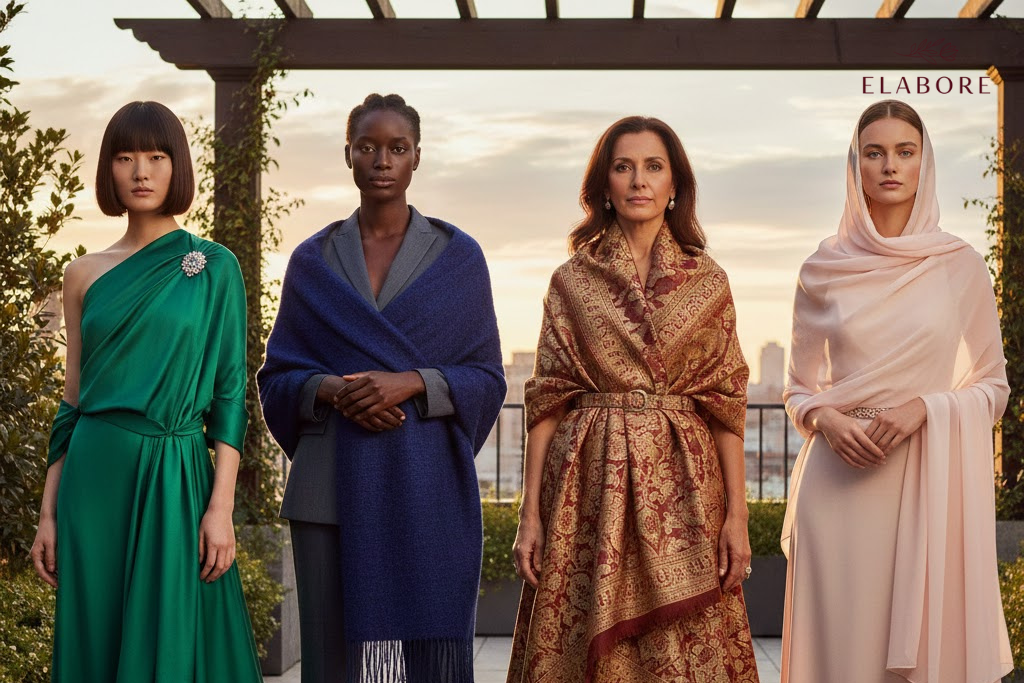
Luxury shawls are more than merely accessories—they are expressions of elegance, sophistication, and cultural richness. The draping of a lightweight Pashmina for a casual outing or a heavy designer shawl for a formal event can greatly alter the look of your outfit if the correct shawl draping technique is applied. We will look into various shawl draping techniques, suggestions, and methods for easily carrying it in this guide.
Why Learning How to Drape a Shawl Matters
The art of shawl draping is often overlooked by many people who think it is basically the same as wrapping the shawl around the shoulders. However, knowledge of proper shawl draping can entirely change one’s style and even the most simple outfit can be turned into an elegant one. A shawl is not only an accessory but also a declaration of elegance, sophistication, and personal taste. Mastering shawl draping skills not only helps to improve one’s dress but also to reveal the meticulous workmanship of the shawl and to gaining comfort and ease in both the functional and aesthetic aspects.
The perfect draping style can easily transform a simple dress or kurta into a royal look, thus, your entire appearance will be a polished and well-styled one. The art of shawl draping is a skill that every owner of luxury and designer shawls must acquire. When the draping is done the right way, the shawl can give the outfit a new dimension by introducing texture, color, and depth. For instance, a plain dress can be made to look more sophisticated the moment a pashmina is loosely draped over one shoulder or a wrap is carefully folded around the neckline. When one knows how to drape a shawl, he can play with proportion, layering, and folds to make a very interesting yet still elegant look. Each style of draping can express a different feeling or formality and thus a single shawl can easily be used for different occasions.
You can use the artistry of a shawl as the primary reason for knowing how to drape it. When you understand how to drape a shawl, you allow every element of design to shine. A carefully draped shawl highlights its patterns, stitches, and textures, transforming it from a mere accessory into the focal point of your outfit. This is especially important for formal events, weddings, or gatherings where attention to detail and style matters. Functionality is another key reason to learn how to drape a shawl.
Different draping techniques provide varying levels of warmth, coverage, and freedom of movement. A full wrap or pashmina fold keeps you cozy on a cold evening, while a lightweight front drape allows for ease of motion and comfort in warmer settings. By mastering how to drape a shawl, you can adapt it to different weather conditions, settings, or personal needs without compromising on style. A shawl that is draped thoughtfully is not only visually appealing but also highly versatile and practical for everyday wear or special occasions.
Mastering the art of shawl draping allows not only to up to the next level your personal style with no effort at all. Shawls are multifunctional garnitures that can change your appearance scarcely. By trying different ways of draping—whether it is a simple over-the-shoulder fold, an asymmetrical cascade, or a layered front drape—you can get the different looks which mirror your personality and fashion sense.
The skill of draping a shawl gives you self-assurance, so you can style your clothes with elegance and sophistication. Even one shawl can provide many styling possibilities, thus making it a must-have item in your closet. To sum up, being able to drape a shawl is not only a fashion skill—it is a form of art that integrates elegance, practicality, and self-expression. The right draping technique changes a simple accessory into a powerful style statement by enhancing your outfit, displaying intricate craftsmanship, and providing comfort.
Learning how to drape a shawl, you are basically investing in the complete reveal of every shawl in your collection, and thus very stylish, polished, and effortlessly sophisticated at any event. A properly draped shawl speaks refinement, confidence, and meticulousness, showing that true fashion is not only in what you wear but also in how you wear it.
Choosing the Right Luxury Shawl for Draping
The first and the most important step towards an exquisite and sophisticated look consists in picking a suitable luxurious shawl before you try out various ways of draping it. Your choice of shawl will decide both the appearance of the drape and its feeling, versatility, and how well it supports the entire outfit. The shawl draping technique starts by recognizing the textures, dimensions, the pattern and the color of the shawl as they all significantly influence the final style and comfort of wearing it. The fabric is the most important aspect to consider when choosing a shawl for draping. Pashmina, for example, is known for its softness, lightness, and luxuriousness.
These attributes make Pashmina suitable for very gentle draping styles, where the shawl should fall smoothly without making any volume. A Pashmina shawl is equally good for both formal and informal occasions, whether you want the wrap to be very light and casual or more structured and layered. Wool or cashmere blends provide more thickness and structure. They are great if involved are the so-called layered draping styles where the shawl needs to take a certain form or a sculptured look is desired. The slight heaviness of these fabrics ensures that the drape holds the entire day and hence they are perfect for cooler temperatures and dressy events. On the other hand, silk or satin shawls take shawl draping to a whole new level. The shininess and the ability to reflect light of their surface instantly uplift the outfit making them suitable for the nights out, holidays, or family and friends gathering reasons. Mastering the draping of the shawl with silk or satin gives you a luxurious and glossy look but one needs to be a bit skillful as these fabrics are flashy and slippery; however, stunning results can be achieved when done right along with the delicate, glamorous look.
Size is another key aspect that has to be taken into account when selecting a shawl for draping. Huge shawls bring out the most different possibilities in making stylish and grand drapes such as draping on-the-shoulder styles, layered wraps, or large cascading folds that give depth and sophistication to any outfit. They are ideal for those who love to play with diverse and unconventional ways of draping and consider a single shawl that fits many occasions to be a must-have. On the contrary, small shawls are perfect for people who go for a minimalist approach in styling. They can just simply be hung around the neck or over the shoulders, thus, doing the role of accent pieces that are constantly promoting an outfit in a very subtle way and not through mere overpowering.
Every time you learn how to drape a shawl of different sizes, your wardrobe will be a place of rich and wonderful style, be it bold or the quietest elegance. Pattern and color are equally influential factors in shawl selection and draping. Daring patterns or embroidered designs require draping styles that will show off the intricate detailing and workmanship. To illustrate, if you are dealing with a heavily embroidered or patterned shawl, then you should be careful in selecting the draping styles that will make the motifs visible, like the front-facing drape or the over-the-shoulder cascade. This way the beauty of the design will be highlighted. On the contrary, neutral or solid-colored shawls are very versatile and can be used as a means of introducing grace of the slightest degree to any outfit. They let the other parts of your ensemble, for instance, jewelry, clothes, or accessories, to be in the limelight while the shawl acts as a complement to the totality of the look. The art of draping a shawl with both the bold and the neutral designs assures that each drape not only heightens the aesthetic appeal of the shawl but also of your outfit.
An important factor to keep in mind when selecting a shawl is its weight and the feel of the fabric. Lightweight shawls, such as Pashmina or chiffon mixtures, are very convenient to wrap up and present a soft, flowing look, which is excellent for stacking without increasing the volume. On the contrary, heavy shawls made of thick wool or cashmere are the ones to provide a complete layer of warmth and comfort, thus winter or formal styles of layering would benefit from them. Fabrics like silk and satin offer smooth and sleek drapes, while the use of woven wool or hand-knotted Pashmina gives a texture that attracts interest and offers depth. Once one knows the art of how to drape the shawl and what the desired draping style is, he can match it with the right fabric and texture combination whether it is soft and romantic, structured and formal, or casual and effortless.
Moreover, the use of the shawl and the event for which you are going to use it should be factors that sway your decision. Are you going to buy it for the casual wearing over a kurta or dress or do you want it to be an eye-catching piece for a wedding, festival or formal evening event? If you know this, then it is easy for you to choose the materials, sizes, patterns, and textures that suit both the occasion and the draping style. To illustrate, a lightweight embroidered Pashmina may be the best choice for a daytime festive event, whereas a rich-colored silk satin shawl would be perfect for an evening party. Knowing how to drape a shawl rightly, regardless of the type of shawl used, not only gives it a fashionable look but also provides a soft and luxurious feel that in turn boosts your confidence and graceful presence.
To sum up, the picking of the correct luxury shawl to drape is a complex decision that involves much more than simply selecting a beautiful fabric. The careful consideration of the fabric, size, pattern, color, weight, texture, and the occasion paves the way for success in learning how to drape a shawl in the most stylish and effective way possible. The right shawl takes your draping choices from usual to exceptional, each fold, layer, and wrap being able to convey a message of elegance and personal style while at the same time highlighting the beauty of the shawl. Being selective guarantees that every drape is not only in fashion but also luxurious, thus the shawl becomes a true piece of art in your closet.
Classic Shawl Draping Styles
Draping a shawl is indeed an art and it doesn't just mean covering up your shoulders all the way with the fabric—it is about not only wrapping but also stylishly, elegantly, and functionally creating your look. A draping method's main aim is to help the wearer, to show off the good points of the shawl, and to match the event. Thus, knowing the few basic styles of draping is very important for any shawl lover since each one has its own purpose, and occasion, and dresses differently. Hence, the following sections will introduce you to some of the most popular ways of draping along with their step-by-step instructions and a few reasons that explain their success.
1. The Simple Shoulder Drape
How to do it: The shawl must be placed evenly across the shoulders, allowing its ends to fall freely in the front or back.
Why it works: Wearing a shawl in this way is considered one of the most stylish and multipurpose approaches. The uncomplicated shoulder drape is suited for displaying the embroidery, patterns, or handwoven textures, and the intricate craftsmanship becomes the main attraction. It offers warmth while not being heavy, thus it goes well with formal events, office clothes, or even casual situations when one desires a simple but elegant appearance. When practicing how to cover a shawl in this manner, let the fabric drop naturally over the shoulders to keep a neat, elegant outline.
2. The Loop & Knot Style
How to do it: First, take the shawl and fold it lengthwise, now wrap it around your neck once and let the two sides drop in front of you. If you want, you could make a loose knot with the ends or simply let them be, it’s totally up to you.
Why it works: The loop and knot technique brings a contemporary and playful touch to the wardrobe of classics. It firmly holds the shawl in place but at the same time the fabric's natural flow is preserved, thus it is especially good for thin Pashmina or lightweight wool shawls. This technique is perfect for informal get-togethers, dinners, or parties where a look that is both effortless and stylish is desired. Being able to drape the shawl in this manner will mean that your accessory will be helping your outfit without being overdone.
3. The Shawl-Over-One-Shoulder Style
How to do it: Drape the shawl diagonally over one shoulder, letting the other end hang loosely behind your back.
Why it works: Designer shawls, embroidered patterns, or luxurious fabrics are best shown in this style. The shawl draped over one shoulder gives an elegant and easy-going look that is suitable for parties, weddings and formal meetings. It also gives a slimming effect and improves the posture, thus making the person look taller and more composed. How to drape a shawl in this manner not only means to unveil the shawl’s intricate work but also to keep the whole look classy and stylish.
4. The Belted Shawl Style
How to do it: Place the shawl around your shoulders or wrap it loosely over your outfit. Add a belt at the waist to secure it and define your silhouette.
Why it works: The belted shawl style is a signature one that has the ability to change one of the main characteristics of a traditional accessory to a fashionable and chic statement piece. It fits perfectly in dressing for the office, layering with dresses or going for a minimalist look; thus, you can mix comfort with class. The style not only accentuates one's waist but also produces a sophisticated and smart look for one's professional and semi-formal occasions. Being skillful in how to drape a shawl is one way to make the classic accessory a modern one without commanding it the losing its charm.
5. The Cape Style
How to do it: Drape the shawl evenly around your shoulders so it covers your back and arms, similar to a cape.
Why it works: The cape design elevates the level of sophistication and Theatricality of a beautiful evening dress, gown, or formal wear. It gives the wearer maximum warmth without losing sophistication which is at a high level with the cold months or even the outdoors in the case of celebrating events. The cape style is a great match for all such long gowns, kurtas, or layered materials as it gives one both coverage and a graceful, flowing silhouette. If you know how to wear a shawl like a cape, you will not only make a statement but also be comfortable and warm.
Mastering these classic shawl draping styles not only helps you elevate your outfits but also enhances the versatility of your shawl collection. Whether you prefer casual chic, formal elegance, or modern minimalist looks, knowing how to drape a shawl in multiple ways ensures that each shawl becomes a statement piece, showcasing its fabric, craftsmanship, and design to the fullest. By practicing these styles, you can confidently style your shawls for any occasion, creating looks that are both fashionable and functional.
Tips for Perfect Shawl Draping
-
Learning how to drape a shawl perfectly goes beyond simply placing it over your shoulders; it’s about creating harmony between the shawl, your outfit, and the occasion. One of the most important tips is to match the shawl with your outfit. The draping style should complement the neckline, silhouette, and overall aesthetic of your dress, kurta, or gown. For instance, a deep neckline pairs beautifully with a shawl draped loosely over one shoulder, while a high-neck outfit works best with a front drape or loop style. Another key tip when mastering how to drape a shawl is to experiment with volume. Folding, pleating, or layering the shawl allows you to control the thickness and flow of the fabric, giving you a versatile look that can be light and airy for casual settings or more structured and layered for formal occasions.
-
Accessorizing smartly is another way to elevate your draping skills. Using a brooch, pin, or decorative clip not only secures the shawl in place but also adds a chic and stylish touch to your overall outfit. This is especially useful when learning how to drape a shawl for events where you want the fabric to stay perfectly in place, such as weddings, parties, or office gatherings. Additionally, balancing patterns and solids is crucial. If your shawl features a bold print, embroidered motifs, or vibrant colors, drape it in a way that highlights its beauty without overpowering your outfit. Solid-colored outfits pair well with bold shawls, while patterned outfits are complemented best with neutral or subtle drapes.
-
Finally, one of the most effective ways to perfect how to drape a shawl is to practice different styles regularly. Luxury shawls are investments, and experimenting with multiple draping techniques ensures that you get the most out of your collection. Trying styles such as the simple shoulder drape, loop and knot, belted wrap, or cape style on different outfits will help you discover which drapes suit your personal style, body type, and wardrobe the best. By following these tips, you can elevate the art of shawl draping, making every shawl you own not only a functional accessory but also a statement of elegance, sophistication, and personal flair.
Pashmina Draping: A Special Note
Pashmina draping is a delicate art that requires attention, patience, and a gentle touch because of the fabric’s exceptional softness and lightweight nature. Unlike heavier shawls, Pashmina is extremely fine and can be easily creased or stretched if handled roughly. Learning how to drape a shawl, particularly a Pashmina, involves understanding how the fabric moves, how it folds naturally, and how to highlight its luxurious texture without compromising its delicate fibers. Tight knots or overly structured folds should be avoided because they can strain the fabric and leave marks that are difficult to smooth out. Instead, the drape should feel effortless, flowing naturally over the shoulders or around the arms, creating an elegant silhouette that enhances both casual and formal outfits.
For formal occasions, the best approach to Pashmina draping is to allow the shawl to hang gracefully. Whether draped over one shoulder, wrapped loosely around the neck, or laid gently across both shoulders, the natural fall of Pashmina highlights its softness, sheen, and lightweight elegance. This type of draping ensures that the shawl’s delicate weave and intricate patterns, if any, are fully visible. Learning how to drape a shawl in this style ensures that even a single accessory can transform a plain dress or kurta into a look of understated sophistication. Pashmina draping is particularly well-suited to evening parties, weddings, or formal gatherings, where the subtle flow of the shawl adds a touch of refined luxury to your ensemble.
Another key aspect of Pashmina draping is accessory coordination. Because Pashmina is delicate and minimalistic in appearance, pairing it with elegant jewelry or subtle accessories can enhance the overall look. Delicate rings, bracelets, or even a carefully placed brooch can complement the drape without overwhelming it. Mastering how to drape a shawl with thoughtful accessorizing allows the wearer to create a cohesive, stylish appearance that draws attention to both the shawl and the outfit. For instance, a lightly pleated Pashmina draped over one shoulder paired with a statement bracelet can create a look that is simultaneously graceful and fashionable.
Additionally, practice plays a critical role in perfecting Pashmina draping. Because of its lightweight nature, it can slip or shift if not handled carefully, and achieving the perfect fold or layer may take several attempts. Learning how to drape a shawl with Pashmina involves experimenting with different styles—simple shoulder drapes, layered wraps, or loose cascading folds—to see how each method changes the shawl’s appearance and complements your outfit. Over time, you will develop an intuition for the fabric, learning which styles showcase its softness, which folds highlight embroidery or patterns, and which drapes are ideal for casual versus formal settings.
Finally, Pashmina draping is not just about aesthetics; it is also about comfort. Its lightweight and breathable nature makes it versatile for all-day wear, and when draped correctly, it provides warmth without adding bulk. Whether you are attending a wedding, an office function, or a casual gathering, learning how to drape a shawl with Pashmina ensures that your look is polished, elegant, and effortless. With patience, experimentation, and careful handling, a Pashmina shawl can become a signature piece in your wardrobe, offering endless opportunities to showcase style, sophistication, and the timeless beauty of this luxurious fabric.
Common Mistakes to Avoid in Shawl Draping
Learning how to drape a shawl can take time, and while experimenting with different styles is fun, several common mistakes can make even a luxurious shawl look less elegant if not handled carefully. Avoiding these errors ensures that your shawl always enhances your outfit rather than detracting from it.
One of the most frequent mistakes is overcrowding your outfit. Many people layer a heavy shawl over an already layered or bulky outfit, which can create a clumsy, disproportionate look. For example, draping a thick wool or cashmere shawl over a structured coat or multiple layers can make the outfit appear bulky and cumbersome, overshadowing your personal style. Learning how to drape a shawl with consideration for the existing outfit layers is crucial. A simple, lightweight drape may often look far more elegant than a complex, heavy fold in such situations.
Another mistake is ignoring proportions. The size of the shawl should always complement your height and the overall silhouette of your outfit. A small shawl may get lost on a tall frame, while a very large shawl can overwhelm a petite figure. Similarly, a floor-length drape may look stunning with a long gown but can appear disproportionate with shorter dresses or kurtas. Understanding how to drape a shawl with proper proportion ensures that the shawl enhances rather than dominates your outfit. Matching the shawl’s length, width, and fall to your attire is essential for maintaining balance and visual appeal.
A third common mistake is neglecting the fabric type. Different fabrics behave differently when draped, and failing to account for this can ruin the final look. Pashmina, for instance, is delicate and lightweight and should be draped gently to maintain its softness, while wool and cashmere have more structure and can support layered folds or heavier draping styles. Silk shawls, with their slippery texture, require careful handling to prevent slipping or bunching. Learning how to drape a shawl with awareness of the fabric type ensures that your drape looks effortless, polished, and appropriate for the occasion.
Overly complex draping styles are another pitfall. While intricate knots, pleats, or layers may look fashionable in theory, they are not always the most elegant solution. Sometimes, simplicity is the key to sophistication. A basic shoulder drape, a gentle loop, or a cascading fold can often make a much stronger style statement than complicated knots that appear cluttered or awkward. Understanding how to drape a shawl with an emphasis on simplicity helps you maintain elegance and ensures that the shawl complements your outfit rather than competing with it.
Additionally, neglecting practical considerations like movement and comfort can be a mistake. A shawl drape that looks perfect when standing still may become cumbersome when walking, sitting, or attending an event. Ensuring that your drape stays in place while allowing freedom of movement is part of mastering how to drape a shawl. Using light pleats, gentle folds, or minimal pinning can create a style that is both beautiful and functional.
By avoiding these common mistakes—overcrowding outfits, ignoring proportions, neglecting fabric types, overcomplicating drapes, and sacrificing comfort—you can ensure that every shawl drape looks intentional, stylish, and flattering. Mastering how to drape a shawl requires attention to these details, and with practice, your shawls will consistently enhance your wardrobe, highlighting your elegance and personal style while allowing the beauty of the fabric and craftsmanship to shine.
Conclusion
Learning how to drape a shawl is more than just a styling technique—it is a true art form that brings together elegance, comfort, and a sense of cultural refinement. Each shawl, whether it is a soft Pashmina, a structured wool blend, or a glossy silk piece, has the potential to transform an outfit and elevate your personal style when draped thoughtfully. From simple shoulder drapes to belted wraps, cape-style flows, or the sophisticated shawl-over-one-shoulder style, mastering how to drape a shawl allows you to experiment with endless variations while keeping your look polished, graceful, and visually balanced.
Luxury shawls, particularly Pashmina draping, offer unique versatility. The soft, lightweight texture of Pashmina enables flowing, delicate folds that enhance both casual and formal outfits. Draping a Pashmina properly can highlight its intricate weave, fine embroidery, or subtle patterns, turning the shawl into the centerpiece of your ensemble. By learning how to drape a shawl, you not only showcase the craftsmanship of the fabric but also create an effortless, sophisticated look that stands out in any setting.
Investing time in experimenting with different draping techniques is key to mastering this skill. Understanding your shawl’s fabric, weight, size, and texture allows you to choose the most flattering styles for every occasion. For example, lightweight shawls are ideal for layered or casual drapes, while heavier fabrics like wool or cashmere work beautifully for structured folds or belted looks. By practicing how to drape a shawl across multiple occasions—office settings, festive events, evening gatherings, or casual outings—you will gain confidence in creating looks that are both stylish and functional.
Furthermore, learning how to drape a shawl enhances your wardrobe by maximizing the versatility of each piece. A single shawl can be styled in numerous ways, providing multiple outfit options without the need for additional accessories. This ability to transform your look with just one accessory adds value to your collection and allows you to express your personal style effortlessly. Proper draping also ensures comfort, freedom of movement, and practicality, making your shawl both a fashionable and functional accessory.
Ultimately, mastering how to drape a shawl is a journey of creativity and elegance. It allows you to combine tradition with contemporary fashion, turn simple outfits into statement ensembles, and make the most of your luxury shawl collection. Whether it is through highlighting patterns, showcasing textures, or experimenting with folds, draping a shawl correctly adds depth, sophistication, and timeless beauty to your overall look. By investing time and attention into learning how to drape a shawl, you unlock endless possibilities to elevate your wardrobe effortlessly, making every outfit memorable and every shawl a showcase of elegance.