Cart
0
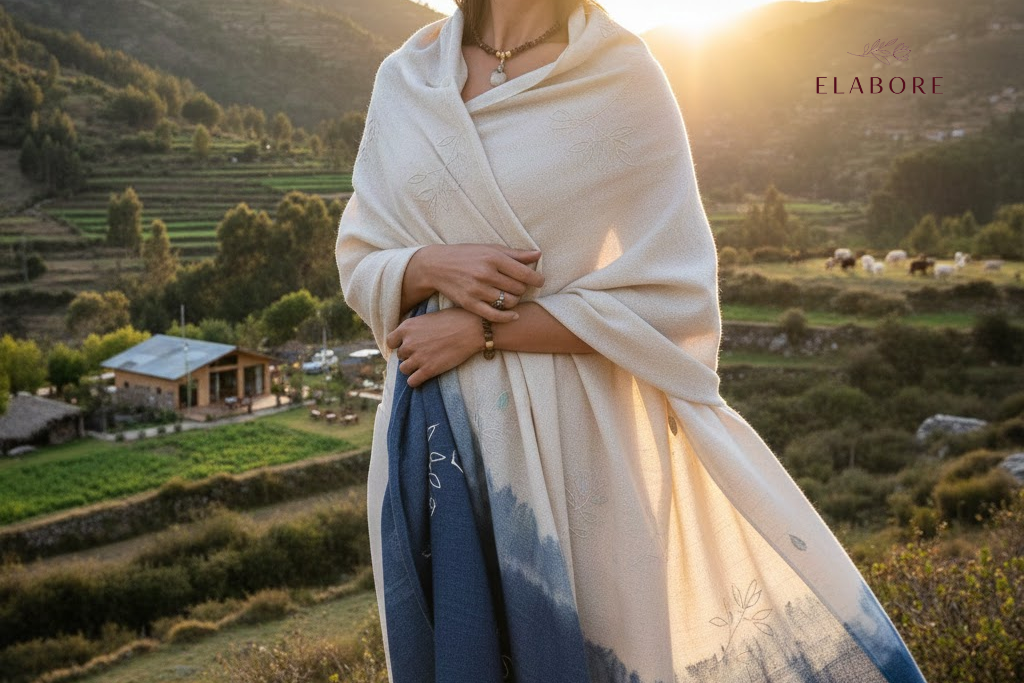
The fashion industry currently faces a critical turning point which unites fashion sophistication with sustainable environmental practices. The shift toward sustainable luxury shawls as a new fashion trend shows its most attractive expression through this emerging fashion trend. The increasing public understanding of their buying power and its environmental effects has led to a substantial increase in demand for environmentally friendly shawls.
The exceptional fashion items which function as practical garments demonstrate that our understanding of luxury has changed while we maintain our obligation to protect future generations. Sustainable luxury shawls merge timeless sophistication with ethical production practices, proving that we need not compromise our aesthetic sensibilities to make environmentally sound choices.
The research study investigates the complete scope of sustainable luxury shawls to show how these products transform fashion while maintaining traditional craftsmanship and protecting vital environmental resources.
Understanding the Essence of Sustainable Luxury Shawls
The luxurious shawls that follow sustainable production methods create a beautiful combination of exquisite design and environmental protection which proves that high-end products do not need to harm nature. The manufacturing process of these exceptional garments employs materials that create minimal environmental damage while achieving the highest standards of quality and durability and lasting design.
Sustainable luxury shawls require organic material usage which extends to every stage of product development starting from raw material cultivation to end-of-product-life processes. Sustainable luxury shawls establish their uniqueness through complete production transparency which enables customers to track the origins of their products and confirm the company's commitments to sustainability.
The shawls use natural fibers which include organic cotton and peace silk and recycled cashmere and ethically sourced wool and modern plant-based materials such as bamboo and hemp and Tencel. The creators of sustainable luxury shawls dedication to environmentally friendly production methods includes using dyeing methods which reduce environmental damage while maintaining safe working conditions for their employees.
Each sustainable luxury shawl tells a tale of respect which extends to everyone who seeks to protect nature and honor skilled artisans and consumers who wish to buy products that reflect their personal beliefs. Sustainable luxury shawls attract consumers through their visual charm and their capacity to demonstrate environmentally and socially responsible fashion choices.
The Environmental Impact of Traditional Shawl Production
The environmental impact of traditional shawl production methods and textile production methods must be studied before we can understand the value of sustainable luxury shawls. Traditional fashion manufacturing has long been one of the world's most polluting industries, contributing significantly to water contamination, greenhouse gas emissions, and toxic waste generation. Shawl production processes continue to use synthetic materials which manufacturers obtain from petroleum resources, and these materials do not decompose while they pollute waterways through microplastic release during washing.
The production of conventional cotton, which serves as the primary material in traditional shawls, requires an excessive water consumption of approximately seven thousand liters to create a single kilogram of fabric, and this process needs extensive pesticide and insecticide treatment which destroys soil health and pollutes groundwater resources. The chemical dyeing processes used for conventional shawl production introduce dangerous chemical compounds which include heavy metals and formaldehyde and toxic solvents into waterways, which then spread their disastrous effects throughout aquatic ecosystems while endangering people who rely on these water sources.
The carbon footprint of traditional shawl production begins with energy-intensive manufacturing facilities which operate on fossil fuels and continues through the worldwide transportation systems that move materials and finished products to various locations throughout the world. Fast fashion's influence has accelerated production cycles, resulting in massive quantities of textile waste as quickly discarded shawls overflow landfills where synthetic materials may persist for hundreds of years.
Conventional textile factories create social sustainability problems because their labor conditions make workers face unsafe environments with low pay and long work periods. The alarming situation has brought attention to the need for sustainable luxury shawls and eco-friendly shawls which transform the manufacturing process for these decorative items by eliminating environmental damage.
Natural and Organic Fibers in Sustainable Luxury Shawls
The process of creating a sustainable luxury shawl starts with choosing natural organic fibers that provide high-quality materials while causing the least harm to the environment. Organic cotton represents one of the most popular choices for eco-friendly shawls, cultivated without synthetic pesticides, herbicides, or genetically modified organisms, using farming practices that preserve soil health, conserve water through efficient irrigation systems, and promote biodiversity. The organic cotton fibers develop into sustainable luxury shawls which possess exceptional softness and breathability and hypoallergenic features while they support agricultural systems that work in harmony with nature.
Peace silk, also known as Ahimsa silk, has emerged as a revolutionary material for sustainable luxury shawls, produced through a compassionate process that allows silk moths to complete their natural life cycle and emerge from their cocoons before the silk is harvested, contrasting sharply with conventional silk production where cocoons are boiled with the pupae still inside. The ethical method produces silk with distinct texture properties which create sustainable luxury shawls that display exceptional beauty and ethical standards.
Recycled cashmere has gained prominence in the creation of eco-friendly shawls, transforming post-consumer cashmere garments and manufacturing waste into luxuriously soft fibers that require no new animal husbandry, land use, or water consumption for material production. Linen derived from flax plants offers another excellent option for sustainable luxury shawls, as flax requires minimal water, grows well without pesticides, and produces strong, lustrous fibers that become softer and more beautiful with age.
Hemp fiber represents perhaps the most environmentally advantageous material for sustainable luxury shawls, as hemp plants grow rapidly, require virtually no pesticides, actually improve soil quality, sequester significant amounts of carbon dioxide, and produce exceptionally durable fibers with natural antimicrobial properties. The sustainable luxury shawls of today increasingly utilize Tencel, an innovative material produced through a closed-loop system which recycles water and solvents while using sustainably harvested wood pulp to create a fabric that mimics silk drape and provides luxurious tactile experience.
Traditional Craftsmanship and Sustainable Luxury Shawls
The creation of sustainable luxury shawls often involves preserving and celebrating traditional craftsmanship techniques that have been passed down through generations, which represents a cultural sustainability practice that honors heritage and provides economic opportunities for artisan communities. Hand-weaving remains one of the most environmentally benign methods of creating sustainable luxury shawls because it requires no electricity, it produces zero emissions and artisans work at a human pace that respects both the materials and the maker.
The traditional methods produce environmentally friendly shawls which possess distinctive characteristics that cannot be duplicated by machine production because each item displays the unique touch of its craftsman. Hand-spinning fibers for sustainable luxury shawls enables modern consumers to experience ancient traditions while eliminating both energy usage and waste produced by industrial spinning facilities.
The natural dyeing process uses plant-based materials such as indigo, madder root, turmeric, pomegranate, and walnut husks to produce complex colors that dye sustainable luxury shawls without creating toxic chemical waste which would contaminate water systems and endanger worker health. The block printing technique, which uses carved wooden blocks to create detailed fabric designs, produces sustainable luxury shawls with artistic designs that showcase human creativity while preventing chemical waste from the digital printing methods.
The artisans who create embroidery and embellishments for sustainable luxury shawls use their skills to create visual elements that increase the product's worth while creating fair-wage jobs for craftspeople who work in remote areas of developing countries. The slow design process used in handcrafted production methods creates a natural output limit which leads to better quality results that compete with fast fashion's throwaway culture.
The traditional methods used to create sustainable luxury shawls help preserve endangered craft traditions which face extinction because of increasing mechanization, The urgent need to protect endangered craft traditions exists because these traditions maintain cultural diversity while safeguarding crucial skills and knowledge that form the foundation of our shared human heritage.
Ethical Fashion and Fair Trade Practices
The concept of sustainable luxury shawls extends beyond environmental sustainability because it includes ethical fashion which guarantees that every person who participates in the production process receives equitable pay and secure work environments and proper treatment. The principles of ethical fashion require complete supply chain visibility which enables customers to follow their sustainable luxury shawls from their initial material sources through to their completed product while simultaneously tracking the identity of the employees who created their purchase and the conditions under which they worked.
Fair trade certification provides one mechanism for verifying that eco-friendly shawls meet rigorous standards regarding wages, working hours, workplace safety, freedom of association, and prohibition of child labor and forced labor. The producers of sustainable luxury shawls who fulfill minimum fair trade standards establish permanent relationships with artisan communities because they pay higher prices which enable economic development and they fund educational and medical and infrastructure projects that benefit entire communities.
The sustainable luxury shawls industry relies on textile crafts as a means to create income opportunities for women because they remain excluded from formal economic activities due to cultural barriers and educational deficiencies. The sustainable luxury shawls which consumers choose to buy from fair trade certified producers support business models which fight against exploitative labor practices that exist in traditional fashion production because these models show that companies can achieve financial success without violating human rights standards.
Sustainable luxury shawls which contain wool silk or other animal-derived materials require ethical fashion to implement animal welfare standards which protect animals from harmful treatment and guarantee their ability to engage in natural conduct. The social sustainability which exists in ethical fashion requires that sustainable luxury shawls provide advantages to all parties involved in production who range from farmers and herders to the weavers and dyers and finishers who create wearable art to the end consumers who use these accessories and the full environment which we share as a global community.
Eco-Friendly Dyeing and Finishing Techniques
The process of creating sustainable luxury shawls from natural fibers through innovative environmentally friendly dyeing and finishing methods that eliminate hazardous substances while producing visually stunning outcomes provides one of the greatest possibilities to minimize ecological damage. Natural pigments derived from plants and minerals and insects have been used for thousands of years to produce deep complex hues which develop attractive surface changes with time thus enabling sustainable luxury shawls to obtain aesthetic qualities which synthetic materials cannot provide.
The Indigofera plant produces indigo which creates the traditional blue shades that people use in sustainable luxury shawls through its unique fermentation method that needs no hazardous substances for color development. Madder root produces warm red and orange tones while turmeric creates bright golds and pomegranate rinds generate light yellow shades and walnut husks create dark brown colors without sending heavy metals or cancer-causing substances into aquatic environments.
Eco-friendly shawls can use low-impact synthetic dyes which need less water and work at lower temperatures while their fixation process needs only small amounts of salt and their composition contains no dangerous heavy metals or recognized cancer-causing substances. The new colorants produce excellent color retention which decreases environmental damage when compared to traditional synthetic dyes. The leading manufacturers of sustainable luxury shawls use closed-loop dyeing systems which capture and filter and recycle dye bath water to achieve significant water savings while preventing colored waste from entering rivers and streams.
The use of enzymatic finishing treatments provides sustainable fabric softening methods which replace industry standard chemical methods that create special effects in sustainable luxury shawls through their use of natural enzymes which decompose under standard environmental conditions without generating lasting environmental contaminants.
Digital printing technologies enable precise application of dyes or pigments only where needed thus eliminating the waste which occurs in traditional dyeing methods because entire pieces must be immersed in dye baths. Solar dyeing uses the sun's energy to fix natural dyes to fibers which produces sustainable luxury shawls that consume no energy and have colors which change based on weather conditions and seasonal light quality.
The Role of Certification and Transparency
The third-party certification system exists to validate sustainable luxury shawls. They demonstrate that these products fulfill strict environmental requirements and social responsibility standards. The Global Organic Textile Standard GOTS establishes the highest certification standard for sustainable luxury shawls made from organic materials. This certification verifies that organic materials undergo controlled processing which satisfies environmental standards and meets International Labour Organization safety mandates.
The OEKO-TEX Standard 100 certification process confirms that sustainable luxury shawls remain free from dangerous chemicals, including formaldehyde and heavy metals and pesticides and allergenic dyes. This certification protects consumers who use these accessories and workers who make them. Fair Trade certification verifies that eco-friendly shawls are produced under conditions that provide fair wages, safe working environments, and community development support, which enables consumers to trust that their purchases will generate positive social consequences.
Bluesign certification confirms that sustainable luxury shawls adhere to complete environmental protection standards. The certification ensures that the textile value chain maintains worker safety protection and consumer protection from the raw material extraction stage to the final product delivery stage. B Corporation certification, while not specific to textiles, identifies companies producing sustainable luxury shawls that meet high standards of social and environmental performance, accountability, and transparency.
The leading brands that produce sustainable luxury shawls through their formal certification process all adopt radical transparency. They disclose their supply chain details through their manufacturing procedures and product costs and environmental effects which they present in sustainability reports and factory disclosure lists and material sourcing maps. Blockchain technology serves as an effective instrument that enhances sustainable luxury shawls through its ability to create permanent digital records.
These records enable consumers to follow their products through each stage which begins with raw material acquisition and ends with retail distribution. The transparency commitment enables consumers to make informed decisions about the sustainable luxury shawls they buy because it enables them to hold brands accountable. The industrywide implementation of this process leads to ongoing development.
Innovative Sustainable Materials for Luxury Shawls
The search for environmentally friendly sustainable luxury shawls has led to the development of new materials which create innovative fibers and fabrics that produce minimal environmental damage while offering outstanding visual and functional properties. The sustainable luxury shawls of Lyocell which Tencel markets as a product use wood pulp from sustainably managed forests which undergo a closed-loop production process that recycles over ninety-nine percent of water and solvents used.
The resulting fiber creates sustainable luxury shawls with extraordinary softness and excellent drape and natural breathability which biodegrades to harmlessly return to the earth at the end of the garment's useful life. Piñatex provides an innovative leather alternative which engineers pineapple leaf fibers from pineapple cultivation waste for use as accents and embellishments on sustainable luxury shawls while supporting agricultural communities and eliminating waste.
Econyl serves as a regenerated nylon material that producers create from abandoned fishing nets and fabric scraps and other nylon waste which they collect from landfills and oceans. This material enables sustainable luxury shawls to use natural fibers because it enhances their strength and durability while solving the urgent problem of plastic pollution. Spider silk proteins which scientists produce through bioengineering create fibers that exceed steel strength while being thinner than human hair.
This innovation will enable future sustainable luxury shawls to achieve unprecedented strength and flexibility and lightweight comfort because it eliminates the need for spider farming and genetic modifications to silkworms. Mycelium-based materials which scientists grow from mushroom root systems provide sustainable luxury shawls with a new material option that creates leather-like textures through a process that removes carbon dioxide from the atmosphere.
Orange fiber which manufacturers extract from citrus juice industry waste creates a silk-like material which enables the production of luxurious sustainable shawls while turning waste into usable material. Seaweed-based fibers use mineral-rich algae which people gather from the ocean to create sustainable luxury shawls that provide skincare benefits and environmental benefits through their natural ability to release vitamin E and amino acids when body heat warms them. The amazing innovations demonstrate that sustainable luxury shawls maintain their capacity to deliver excellent performance and attractive design and contemporary advancements because environmental restrictions create new artistic solutions which will shape future fashion trends.
The Economics of Sustainable Luxury Shawls
The economic aspects of sustainable luxury shawls require analysis of their initial higher costs which exceed standard shawl prices and their extended value which benefits consumers and artisans and society as a whole. Sustainable luxury shawls typically command premium prices which reflect the actual expenses required for producing eco-friendly materials and maintaining ethical labor standards and constructing products that endure through time.
Organic fibers cost more to produce than conventionally grown alternatives due to lower yields per acre more labor-intensive cultivation practices and certification expenses but these higher costs represent investments in soil health and water quality and farmer wellbeing which conventional agriculture externalizes onto communities and ecosystems. Artisan-made sustainable luxury shawls which use hand-weaving and natural dyeing and hand-embroidery techniques require much longer production times than industrial manufacturing methods which results in increased labor expenses needed to pay skilled workers according to their abilities.
The better durability of well-made sustainable luxury shawls enables them to endure through multiple years of frequent use while delivering superior value through their lower cost per use compared to inexpensive low-quality products which deteriorate quickly through pilling and fading and tearing. The production of eco-friendly shawls by small-scale enterprises and cooperatives and social enterprises enables communities to retain their earnings which leads to economic development through sustainable luxury shawl investments that benefit local and regional systems.
The rising demand for sustainable luxury shawls provides economic motivation for farmers to adopt organic farming practices and for manufacturers to develop environmentally friendly production methods and for entrepreneurs to create new sustainable materials and manufacturing techniques. Consumers increasingly recognize that the apparently lower prices of conventional shawls reflect hidden costs—environmental degradation labor exploitation and health impacts—which society eventually pays through pollution cleanup and healthcare expenses and climate change adaptation.
The sustainable luxury shawls market includes two economic aspects which produce value through traditional crafts and cultural heritage preservation and which would vanish if artisan communities stopped using their traditional methods for industrial jobs or if consumers chose only mass-produced items.
Care and Longevity of Sustainable Luxury Shawls
The proper care and maintenance of sustainable luxury shawls will extend their lifespan because it serves as an essential environmental responsibility that people tend to forget. The most environmentally friendly clothing piece exists in your closet which you keep using for many years. Sustainable luxury shawls made from natural fibers need less strict maintenance compared to synthetic materials. The correct treatment of these precious accessories enables them to sustain their original beauty through all their future uses.
Sustainable luxury shawls should be hand washed using cool or lukewarm water together with gentle biodegradable detergents because this method protects fibers and keeps colors intact and prevents energy waste and fabric deterioration that occurs during machine washing. Sustainable luxury shawls should be air dried by laying them flat on clean towels because this method stops fabric stretching while it saves energy and protects fibers and it extends the garment's lifespan beyond what typical dryers can achieve.
Sustainable luxury shawls need proper storage which involves keeping them in areas without direct sunlight and using breathable cotton bags for storage instead of plastic because this method prevents fading and dust accumulation and moisture problems while allowing natural fibers to breathe and strategic folding or gentle rolling helps to prevent permanent creasing. The process of outdoor airing sustainable luxury shawls on dry days enables natural fiber refreshment and odor removal without washing and provides UV light for natural sanitization which avoids chemical exposure of dry cleaning and eliminates the need for water during laundry.
The practice of doing minor repairs right away on sustainable luxury shawls which develop small holes or loose threads or damaged edges prevents these small problems from evolving into major defects. Sustainable luxury shawls can maintain their value through repairs which should start right away when users detect small faults. Basic mending skills which include darning and patching and edge-finishing will enable consumers to maintain their sustainable luxury shawls without needing professional services or accepting premature obsolescence.
Sashiko represents a decorative mending technique from Japan which allows visible repairs to become artistic elements that show the history of well-loved sustainable luxury shawls. When sustainability luxury shawls stop being useful as accessories their value continues through creative repurposing into items such as cushion covers and wall hangings and patchwork projects which prevents them from entering the waste stream.
Cultural Heritage and Sustainable Luxury Shawls
Sustainable luxury shawls act as strong tools which help protect and showcase cultural heritage because they link modern buyers with ancient cultural practices while assisting communities whose textile skills define their personal and communal identities. The Pashmina shawls of Kashmir stand as international examples of sustainable luxury shawls which maintain their cultural roots through their production from Himalayan mountain goats' soft undercoat using traditional hand-weaving techniques that require artisans to spend hundreds of hours on each shawl.
These exceptional eco-friendly shawls represent the heritage of aesthetic and cultural skills which have been developed through multiple centuries thus making them authentic cultural heritage that goes beyond their role as fashion items. Scottish tartan shawls become sustainable luxury shawls when organic wool and traditional weaving methods combine to create shawls which protect Highland weaving traditions while enabling wearers to show their clan connections and express Scottish heritage.
The Central Asian ikat shawls created using a complex resist-dyeing technique demonstrate how sustainable luxury shawls can keep traditional dyeing and weaving techniques alive because younger generations follow different career paths. Mexican rebozo shawls serve as sustainable luxury shawls which protect indigenous textile traditions because they are hand-woven on back-strap looms using techniques that predate Spanish colonization and create economic benefits for rural communities, especially for women who need income sources.
Japanese kasuri shawls demonstrate how sustainable luxury shawls help preserve traditional Japanese aesthetic standards because they use advanced resist-dyeing techniques to create detailed patterns. Indian khadi shawls represent sustainable luxury products which carry deep political and cultural value through their hand-spun and hand-woven design that Mahatma Gandhi advocated during India's independence movement.
The support of sustainable luxury shawls which originate from cultural traditions creates a vital pathway to protect essential knowledge and artistic techniques which must be maintained for the benefit of future generations against the dangers of global industrial processes. The traditional methods which cultural sustainable luxury shawl artisan communities use to create their products face economic challenges because modern methods offer better financial returns thus making conscious consumer support essential for protecting their cultural heritage.
The Psychology of Conscious Consumption
The decision to purchase sustainable luxury shawls rather than conventional alternatives shows that psychological factors and value systems which go beyond basic price comparison, which people showcase through their products, determine purchasing behavior. Sustainable luxury shawls provide consumers who make eco-friendly fashion choices with better emotional satisfaction than conventional fashion products because they find joy in both the environmental design of eco-friendly shawls and the harmony between their personal values and their purchasing decisions.
The knowledge that sustainable luxury shawls were created without exploiting workers or devastating ecosystems transforms these accessories into sources of pride rather than guilt, allowing wearers to enjoy them without the dissonance that can accompany fast fashion purchases. Psychological research demonstrates that experiences and purchases which match personal values lead to greater happiness than purchases that people make for social status or brief pleasure, which shows that sustainable luxury shawls provide customers with lasting satisfaction.
The stories embedded in sustainable luxury shawls—the artisan who wove them, the organic farm that grew the fibers, the natural plants that provided the dyes—create narrative richness that mass-produced alternatives lack, which leads to emotional bonds that people develop with their products. Sustainable luxury shawls enable consumers to strengthen their identity as responsible decision-makers, which results in better self-perception and more sustainable consumption choices. Sustainable luxury shawls enable consumers to express their internal beliefs through their fashion choices, which creates opportunities for environmental education that can impact their purchasing decisions.
The psychology of sustainable luxury shawls includes two opposing forces: greenwashing creates customer concerns about deceptive environmental claims which result in purchasing anxiety. Sustainable luxury shawls require transparent communication and third-party certification because brand authenticity builds customer trust, which enables customers to buy these products with confidence. The premium pricing of many sustainable luxury shawls creates psychological obstacles which require consumers to change their perception from product quantity to product quality, from product short lifespan to product long lifespan, and from product price to product total worth throughout its lifetime.
Sustainable Luxury Shawls in Contemporary Fashion
Sustainable luxury shawls have transcended their niche origins to claim prominent positions in contemporary fashion, with leading designers, influential celebrities, and trend-setting consumers embracing eco-friendly shawls as expressions of sophisticated style rather than mere ethical gestures. High-fashion houses including Stella McCartney, Eileen Fisher, and Reformation have built their brands around sustainable luxury shawls and other environmentally responsible pieces, demonstrating that ecological consciousness and cutting-edge design are not only compatible but mutually reinforcing. Sustainable luxury shawls appear regularly on red carpets, in fashion editorials, and on social media platforms where influential figures showcase these accessories, normalizing sustainable fashion and inspiring followers to seek similar eco-friendly shawls for their own wardrobes.
The versatility of sustainable luxury shawls makes them ideal for contemporary wardrobes emphasizing timeless pieces that work across multiple seasons, occasions, and styling contexts rather than trendy items with brief relevance. A well-chosen sustainable luxury shawl transitions seamlessly from professional environments draped over business attire to casual weekend settings paired with jeans and simple tops to elegant evening occasions complementing formal wear, offering remarkable cost-per-wear value. Contemporary styling approaches emphasize creative draping, knotting, and layering techniques that allow a single sustainable luxury shawl to create multiple distinct looks, maximizing wardrobe versatility while minimizing consumption. The neutral, nature-inspired color palettes common in naturally dyed sustainable luxury shawls align perfectly with contemporary minimalist aesthetics that emphasize quality, simplicity, and timelessness over flashy trends and constant novelty.
The textural interest inherent in hand-woven sustainable luxury shawls adds dimension and visual intrigue to outfits without relying on excessive embellishment or synthetic materials, appealing to contemporary tastes that value subtle sophistication. Fashion influencers and style bloggers increasingly feature sustainable luxury shawls in outfit posts and haul videos, sharing information about brands, materials, and production practices with audiences eager to make more responsible fashion choices. The growing availability of sustainable luxury shawls through online marketplaces, specialty boutiques, and even mainstream retailers makes these eco-friendly accessories increasingly accessible to consumers at various price points and in diverse geographic locations.
Corporate Responsibility and Sustainable Luxury Shawls
Forward-thinking companies producing sustainable luxury shawls are embracing comprehensive corporate responsibility initiatives that address environmental, social, and governance concerns while demonstrating that business success and positive impact are not mutually exclusive. Industry leaders set science-based targets for reducing greenhouse gas emissions throughout their sustainable luxury shawls supply chains, investing in renewable energy, improving energy efficiency, and supporting carbon offset projects that compensate for remaining emissions.
Water stewardship programs implemented by responsible manufacturers ensure that sustainable luxury shawls production minimizes water consumption and prevents contamination of freshwater resources through advanced treatment systems, closed-loop processes, and watershed restoration projects. Waste reduction strategies including zero-waste pattern cutting, textile scrap recycling programs, and take-back initiatives where customers return worn sustainable luxury shawls for recycling or repurposing demonstrate circular economy thinking that keeps materials in use.
Companies producing sustainable luxury shawls increasingly publish detailed sustainability reports disclosing environmental metrics, social impact data, supply chain information, and progress toward stated goals, accepting accountability and inviting scrutiny. Investment in research and development of innovative sustainable materials, cleaner production technologies, and improved manufacturing processes positions leading sustainable luxury shawls companies as drivers of industry-wide improvement rather than passive followers of minimum standards.
Worker wellbeing programs extending beyond basic legal compliance to provide healthcare, educational opportunities, childcare support, and profit-sharing arrangements demonstrate that companies can thrive while genuinely supporting the people who create sustainable luxury shawls. Collaborative industry initiatives bring together competitors to address shared challenges like sustainable materials development, standardized impact measurement, and best practice dissemination, recognizing that systemic transformation requires collective action rather than individual competition.
Some companies producing sustainable luxury shawls have adopted benefit corporation or certified B Corporation structures that legally require them to consider stakeholder interests beyond shareholder profit maximization, institutionalizing their commitment to responsible business practices. Investment in local manufacturing and nearshoring reduces transportation emissions associated with sustainable luxury shawls while supporting domestic employment and allowing closer oversight of working conditions and environmental practices.
The Future of Sustainable Luxury Shawls
The trajectory of sustainable luxury shawls points toward an exciting future where environmental responsibility, social equity, and aesthetic excellence converge to redefine luxury itself as inseparable from sustainability. Technological advances promise sustainable luxury shawls incorporating smart textiles that monitor environmental conditions, adapt to temperature changes, or even generate energy from body movement, all while maintaining commitments to sustainable materials and ethical production.
Biotechnology developments may soon enable sustainable luxury shawls created from novel materials like lab-grown silk that replicates natural silk protein structures without requiring silkworms, or bacterial cellulose that grows into fabric directly from nutrient solutions. Artificial intelligence and machine learning applications could optimize every aspect of sustainable luxury shawls production from predicting demand to minimize overproduction, to perfecting natural dye recipes, to matching consumers with artisans whose aesthetic sensibilities align with their preferences.
Blockchain technology may become standard for sustainable luxury shawls, providing immutable digital records of every transaction and transformation from raw material to finished product, giving consumers unprecedented transparency and combating counterfeiting. The growth of rental and subscription models for sustainable luxury shawls allows consumers to enjoy variety and seasonal freshness while reducing overall production demand as individual accessories serve multiple users over their lifespans.
Repair services and alteration offerings are expanding as brands producing sustainable luxury shawls recognize that supporting product longevity aligns with sustainability goals while building customer loyalty and generating additional revenue. The emergence of sophisticated resale platforms specifically for sustainable luxury shawls creates robust secondary markets that extend product lifespans, make eco-friendly shawls accessible at various price points, and keep textiles in circulation rather than discarded.
Consumer education initiatives increasingly accompany sustainable luxury shawls purchases, with brands providing detailed information about proper care, repair techniques, styling versatility, and end-of-life options to help customers maximize value from their investments. Regulatory developments including extended producer responsibility legislation, textile waste bans, and mandatory sustainability disclosure requirements will likely accelerate the shift toward sustainable luxury shawls by leveling the playing field and preventing unsustainable competitors from undercutting responsible businesses through externalized costs.
Generational shifts in values and priorities suggest that younger consumers entering their peak earning years will increasingly demand sustainable luxury shawls and other ethical fashion products, making sustainability a competitive necessity rather than a niche differentiator.
Building a Sustainable Shawl Wardrobe
Creating a thoughtfully curated collection of sustainable luxury shawls requires shifting from quantity-focused consumption patterns toward quality-oriented investment in versatile, timeless pieces that serve diverse needs across years or decades. The foundation of a sustainable shawl wardrobe begins with an honest assessment of actual needs based on lifestyle, climate, and personal style rather than aspirational purchases driven by trends or marketing, ensuring that every sustainable luxury shawl added serves a genuine purpose and receives regular wear.
Investing in neutral-colored sustainable luxury shawls in classic styles provides maximum versatility, as these pieces coordinate effortlessly with existing wardrobe items and transcend seasonal trends, delivering value through countless wearings across multiple years. A well-considered sustainable shawl collection might include a lightweight organic cotton or linen option for transitional seasons and air-conditioned spaces, a substantial wool or cashmere sustainable luxury shawl for cold weather warmth, and perhaps a silk or silk-blend piece for special occasions requiring elegance.
Prioritizing sustainable luxury shawls in complementary rather than matching colors creates opportunities for interesting combinations and extends effective wardrobe size without increasing actual number of pieces owned. Learning to style sustainable luxury shawls in multiple ways—wrapped, draped, belted, knotted, or used as wraps, scarves, or even impromptu bags—multiplies the outfit possibilities each piece offers, maximizing value and minimizing need for additional purchases.
Budgeting for sustainable luxury shawls as long-term investments rather than impulse purchases allows allocation of resources toward higher-quality eco-friendly shawls that cost more initially but deliver superior value through longevity, versatility, and lasting satisfaction. Patience in building a sustainable shawl wardrobe permits careful research, thoughtful selection, and accumulation of cherished pieces over time rather than rapid acquisition of mediocre items, fostering appreciation for each addition.
Seasonal assessment of sustainable luxury shawls already owned, their condition, and how they're actually being worn informs future purchasing decisions and may reveal that the wardrobe is already complete, eliminating unnecessary consumption. Seeking secondhand sustainable luxury shawls through resale platforms, vintage shops, and estate sales offers opportunities to acquire high-quality pieces at reduced prices while extending the usable life of existing textiles and reducing demand for new production.
Educating Consumers About Sustainable Luxury Shawls
The continued growth and mainstreaming of sustainable luxury shawls depends critically on consumer education initiatives that demystify sustainability concepts, combat greenwashing, and empower shoppers to make informed decisions aligned with their values. Educational content explaining the environmental impacts of conventional textile production versus sustainable alternatives helps consumers understand why sustainable luxury shawls cost more and why that price differential represents genuine value rather than markup.
Clear communication about certifications, materials, and production processes enables consumers to evaluate whether sustainable luxury shawls genuinely meet environmental and ethical standards or merely employ misleading marketing language suggesting sustainability without substance. Storytelling that connects consumers to the people, places, and processes behind sustainable luxury shawls creates emotional resonance and appreciation that dry facts and figures cannot match, fostering lasting commitment to sustainable fashion choices.
Transparency regarding the true costs embedded in sustainable luxury shawls—including fair wages, environmental protection measures, and quality materials—helps consumers appreciate that extremely low prices inevitably involve compromised ethics or externalizing harm onto workers, communities, or ecosystems. Instruction on garment care techniques appropriate for sustainable luxury shawls empowers consumers to maintain their purchases properly, extending lifespan and maximizing return on investment while reducing the environmental impact of excessive laundering.
Teaching consumers to assess quality indicators in sustainable luxury shawls including fiber content, construction techniques, finishing details, and overall craftsmanship develops discernment that protects against greenwashing and low-quality products masquerading as premium. Education about end-of-life options for sustainable luxury shawls including donation, resale, textile recycling, and creative repurposing prevents these valuable materials from entering landfills prematurely and keeps them circulating in the economy.
Social media platforms, blogs, podcasts, and video content created by sustainable fashion advocates provide accessible education about sustainable luxury shawls and eco-friendly fashion more broadly, meeting consumers where they already spend time and integrating sustainability messaging into entertaining, engaging formats. Workshops and events where consumers can meet artisans producing sustainable luxury shawls, observe production processes, and try craft techniques themselves build appreciation for the skill and labor involved while creating memorable experiences that influence subsequent purchasing decisions.
Retail environments can support education through knowledgeable staff trained to discuss sustainable luxury shawls materials, production, and care, informative product labels and signage, and curated selections that demonstrate commitment to sustainability rather than token gestures toward environmental trends.
Conclusion: Embracing Sustainable Luxury Shawls as a Lifestyle Choice
Sustainable luxury shawls represent far more than fashion accessories; they embody a philosophy of conscious consumption, respect for craftsmanship, environmental stewardship, and social responsibility that challenges the extractive, exploitative model dominating conventional fashion. Every choice to invest in sustainable luxury shawls rather than their conventional counterparts sends powerful market signals that encourage more brands to adopt responsible practices while demonstrating that consumers value quality, ethics, and sustainability over disposability and maximum quantity.
The remarkable beauty, superior quality, and lasting satisfaction provided by thoughtfully produced eco-friendly shawls prove conclusively that sustainability enhances rather than compromises luxury, offering discerning consumers accessories that tell positive stories and align with deeply held values. As awareness grows regarding the devastating environmental and social costs of conventional fashion production, sustainable luxury shawls will likely transition from niche specialty items to mainstream expectations as consumers refuse to accept that style must come at the expense of planetary health or human dignity.
The preservation of traditional craftsmanship techniques, support for artisan communities, and celebration of cultural heritage embedded in many sustainable luxury shawls add dimensions of meaning and value that mass-produced alternatives can never match. By choosing sustainable luxury shawls, consumers participate in an emerging economy that measures success not merely in profit margins but in positive impact on people, communities, and ecosystems, demonstrating that business can be a force for good.
The future of fashion belongs to sustainable luxury shawls and similar products that honor the earth's limits, respect human rights, preserve cultural diversity, and deliver genuine quality that transcends fleeting trends. Embracing sustainable luxury shawls as essential components of our wardrobes and our values represents a small but significant step toward the systemic transformation our industry and our world urgently require.