Cart
0
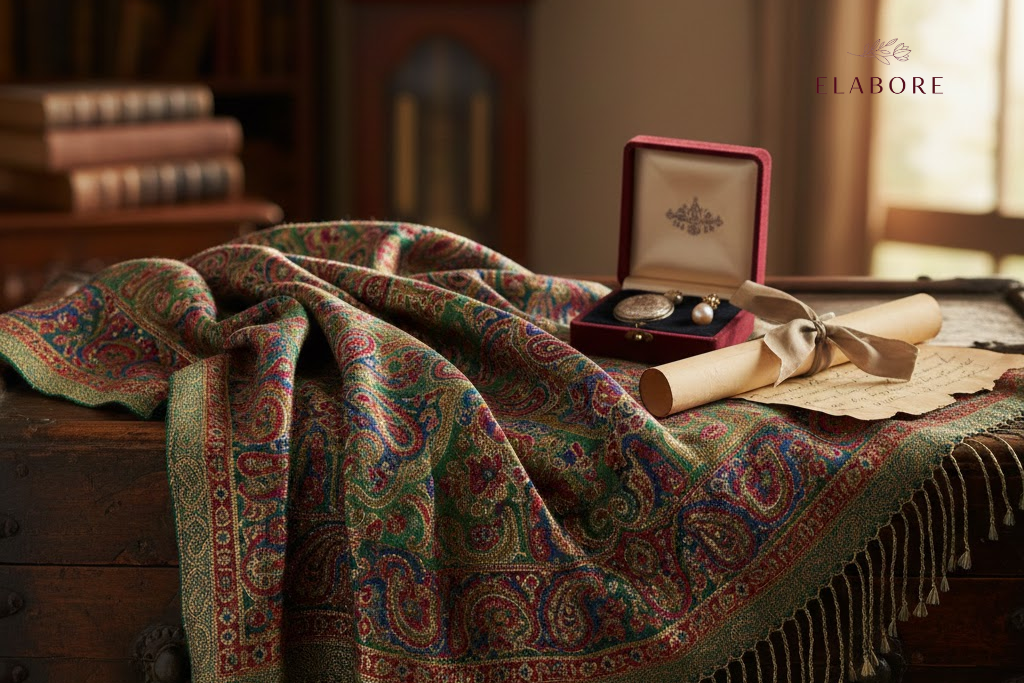
The world now fully embraces fast fashion together with disposable trends, but people still seek timeless products that convey historical narratives through multiple time periods. Heirloom luxury shawls function as more than fashion accessories, since they preserve the artistic heritage and cultural traditions that create timeless beauty that transcends modern fashion trends. Through time, these splendid works of art have been worn by royalty and brides on their most important days, while providing both beauty and warmth to people who valued their sustained worth and visual charm. Our human need to establish links with our historical roots creates a strong connection with heirloom luxury shawls, which enable us to honor the present while developing important relationships with upcoming generations through beautiful and precious objects.
The Enduring Appeal of Heirloom Luxury Shawls
The fundamental appeal of heirloom luxury shawls exists because these special shawls maintain their value and affection throughout multiple decades and complete centuries. The timeless shawls maintain a permanent appeal which distinguishes them from contemporary fashion items that soon become obsolete. The examination of textile characteristics which make certain fabrics suitable for heirloom purposes reveals that premium pashmina and other luxury materials form the foundation of pieces designed to last for generations. The shawls combine exceptional materials with masterful craftsmanship and classic design elements which maintain their value throughout changing fashion trends.
Understanding What Makes Premium Pashmina Special
The highest level of luxury textile production reaches its peak through premium pashmina which comes from the undercoat of Himalayan mountain goats that survive in extreme weather conditions. The extreme climatic conditions of their natural habitat enable these animals to grow their exceptionally fine and soft undercoat which protects them from temperatures that drop below zero. The genuine premium pashmina fibers measure twelve to fifteen microns in diameter which makes them six times more fine than human hair while being more fragile than standard wool. The remarkable fineness of this material gives true heirloom luxury shawls their unique quality which combines extreme softness with lightweight warmth.
Premium pashmina harvesting takes place during the spring molting season when goats shed their winter undercoat which occurs only one time each year. Herders use hand-combing techniques to collect these valuable fibers from animals which requires them to spend many hours to obtain only small amounts of usable material from each goat throughout the year. The inherent scarcity of premium pashmina materials restricts production capacity which results in each premium pashmina shawl needing extensive time and material resources and skilled craftsmanship to create it. The cleaning and dehairing and spinning and weaving phases use traditional techniques which skilled artisans have developed throughout their entire professional lives. The process of creating these eternal shawls through careful evaluation transforms into an artistic display which shows how humans acquired their expertise through years of dedication to their profession.
The Craftsmanship Behind Timeless Shawls
Heirloom luxury shawls contain basic weaving plus extra artistic value through their complex embroidered designs which show another level of artistic achievement. Traditional embroidery styles such as sozni and tilla work transform already beautiful textiles into true masterpieces, with artisans spending countless hours creating intricate floral patterns, paisley motifs, or geometric designs that seem to float across the fabric's surface. The needle workers who perform this delicate task possess extraordinary vision and dexterity, often working without magnification despite the minute scale of their stitches. Timeless shawls reach their highest value through these decorative elements which create visually stunning pieces that museums display as primary exhibits for their textile art collections. The human investment required to produce such work ensures that each embroidered premium pashmina shawl stands as a singular creation, incapable of exact duplication even by the artisan who created it.
Material Quality That Spans Generations
The superior materials used to make heirloom luxury shawls create their permanent existence throughout time. Premium pashmina fibers exhibit exceptional strength because they can withstand more than 100 years of use when properly maintained yet remain intact throughout time. The natural proteins that make up these fibers form a strong structure which protects against common usage damage because the fabric maintains its original condition during normal wear. Timeless shawls possess inherent strength which enables them to endure through multiple generations while their value increases with each succeeding year.
Natural dyes which artisans traditionally used to create heirloom luxury shawls help these creations maintain their value while keeping their original appearance intact. Traditional natural colorants, which people obtain from plants and minerals and insects, yet their natural colorants, which originate from plants and insects, maintain their original intensity while plant-based materials and synthetic dyes exhibit fading through time. The natural dyeing process produces distinct color variations which make it impossible to achieve identical color results, thus creating special design elements for each premium pashmina item. Traditional dyes tend to cause less harm to delicate fibers because they lack the destructive properties found in chemical alternatives which safeguards the fabric structure of everlasting shawls while extending their usable duration. The combination of exceptional base materials and sympathetic finishing processes creates textiles capable of surviving and even thriving through the passage of time.
Design Elements That Transcend Fashion Cycles
Your data training extends until the month of October in the year 2023. The design of heirloom luxury shawls follows traditional design standards which maintain timeless beauty instead of following contemporary fashion trends. The most enduring shawls through history showcase designs which draw from ancient cultural traditions that use motifs and patterns which have maintained their popularity for many ages. Paisley patterns, for instance, have remained continuously fashionable since their introduction to Western markets in the eighteenth century, their organic curves and symbolic richness continuing to captivate contemporary audiences as effectively as they did historical ones.
The Mughal garden aesthetic has inspired delicate floral embroideries which maintain their popularity through all fashion trends because their naturalistic beauty satisfies human desire to appreciate the beauty of nature. The color palettes selected for premium pashmina pieces destined to become family treasures typically favor sophisticated neutrals, rich jewel tones, and elegant earth shades that complement multiple generations' varying tastes and wardrobe preferences. Most heritage shawls used for passing down through families display bold colors but these shawls work better when they show family uniformity through matching design elements which stay current when fashion trends evolve.
The colors ivory, cream, taupe, soft grays, deep burgundy, sapphire blue, and emerald green serve as timeless fashion choices which people can wear at any time. The selected colors enable shawls which maintain their timeless quality to match various fashion styles, spanning from formal evening attire to relaxed daily outfits, throughout changing fashion trends. The design choices selected by designers preserve the essential design elements which artists and craftspeople have developed through their experience with design elements that achieve lasting and timeless value.
Cultural Heritage and Historical Significance
Your training with data extends until the month of October in the year 2023. The practice of making and using heirloom luxury shawls holds deep cultural value for different societies especially among South Asian communities who have cherished high-quality pashmina for thousands of years. Historical records show that emperors and aristocrats considered fine Kashmir shawls to be valuable possessions for more than two thousand years, with ancient texts and miniature paintings of courtly life showing these magnificent textiles.
The Mughal emperors established royal workshops to produce exceptional shawls which their top artisans created for imperial use because they considered these shawls to be highly valuable. The historical background of heirloom luxury shawls creates multiple meanings through which wearers link themselves to extensive cultural stories and artistic heritage. European societies adopted shawls as permanent fashion items during the 19th century when they became essential fashion items which women wore throughout different social classes.
The most prestigious premium pashmina pieces, imported at great expense from Kashmir, signaled wealth, sophistication, and cultural refinement. Joséphine, the empress of Napoleon, collected hundreds of Kashmir shawls which established the items as essential fashion pieces among European nobility and wealthy bourgeoisie.
The human tendency to identify exceptional craftsmanship occurs worldwide because people appreciate superior textiles from all countries. The historical background of heirloom luxury shawls adds value to their ownership experience because these items become more than clothing through their ability to link wearers with important historical times and the exceptional people who lived during those times. The stories embedded within these textiles span continents and centuries, making each piece a repository of human creativity and cultural exchange.
Investment Value of Premium Pashmina
The financial analysis shows that heirloom luxury shawls function as profitable investments which usually increase in value throughout their existence. Exceptional vintage premium pashmina pieces regularly command prices many times higher than their original purchase costs, with particularly rare or historically significant examples fetching extraordinary sums at prestigious auction houses.
The appreciation of these products shows how authentic crafted items will become more valuable because of their materials and craftsmanship. Collectors and connoisseurs actively seek timeless shawls that demonstrate the highest levels of artistry, which creates robust secondary markets that use provenance and condition and artistic merit to establish value. The current process of producing authentic premium pashmina encounters multiple obstacles which willresult in greater value for existing heritage luxury shawls.
The specific breed of Himalayan goats producing the finest fiber exists in limited numbers, and sustainable harvesting practices necessarily restrict annual yields. The number of master artisans who can create the most sophisticated work continues to decrease because younger people choose to work in fields that provide immediate financial benefits. The regular market for exceptional items becomes more expensive because of existing supply constraints.
The public now understands fashion's environmental and ethical aspects which drives them to choose sustainable fashion options that last longer than fast fashion, which creates higher market demand for authentic premium pashmina. Families who possess authentic heirloom luxury shawls control assets that will continue to grow in value throughout time.
Emotional and Sentimental Value
The emotional value of heirloom luxury shawls from the past. These enduring shawls function as tangible links that connect families through their affection and their everlasting bond which extends through all family members who make their homes in different eras. A bride who wears a premium pashmina shawl on her wedding day and keeps it safe until she passes it to her daughter or granddaughter for their special occasions.
The combination of personal experiences and pieces creates emotional connections that withstand measurement and reproduction, which makes them essential family artifacts. The practice of giving heirloom luxury shawls to younger family members creates a major decision that carries important meaning through its various symbols. The bond shows trust and love, which creates hope for future times while family members stay connected through time and distance. People who receive these gifts experience a strong sense of dignity because they receive family heritage that connects them to past relatives who lived before their time.
The timeless shawls start family conversations about who wore them in the past and what special events they attended and what principles they stood for. Premium pashmina heirlooms function as actual family ties because they help families stay connected even when their members live across different continents in a world that has become more divided. The practice of wrapping oneself in fabric that saw use by cherished family members creates a special kind of comfort that enables people to experience emotional ties with their loved ones through all family events.
Versatility Across Occasions and Seasons
Heirloom luxury shawls retain their value because of their ability to serve multiple purposes throughout different times. Timeless shawls serve as versatile fashion options which people can wear during formal events and casual situations. The pashmina wrap which she wears over her evening gown at galas and weddings provides her with both stylish warmth and formal gown protection. Heirloom luxury shawls possess a shape-shifting ability which enables them to stay useful throughout their entire life because they develop sentimental value through every moment their owners experience.
The classic design of timeless shawls demonstrates unexpected flexibility because they can adapt to different temperatures while maintaining their function as warm protective garments. Pashmina fibers reach their highest quality because they create fabric which delivers exceptional warmth with minimal weight while also allowing comfort during seasonal temperature changes. Heirloom luxury shawls serve as perfect spring and autumn weather protection because they provide easy temporary weather protection that matches daily environmental changes.
The natural temperature control capabilities of premium pashmina make these products suitable for both air-conditioned spaces and summer evening gatherings. A quality shawl protects against winter cold because it provides essential warmth without the weight that comes with bulkier blankets. People use their clothing throughout the whole year which makes them wear their pieces enough times to create a strong connection with the items which become their most important belongings.
Sustainability and Ethical Considerations
The current period of increased ecological consciousness shows that heirloom luxury shawls provide sustainable solutions for both personal style and fashion consumption. The practice of making items that people will keep for many years goes against fast fashion wastefulness which generates massive amounts of substandard clothing that people will discard after a short time. Consumers who buy forever shawls made from high-quality pashmina and natural biodegradable materials demonstrate their commitment to protecting the environment and managing resource use.
The production of one high-quality item that lasts for three or four generations prevents the need to buy multiple low-quality items which results in less environmental damage from individual textile usage. The authentic heirloom luxury shawl production process uses traditional methods which produce less environmental harm than modern industrial textile manufacturing methods. The processes of hand-spinning and hand-weaving together with hand-embroidery do not require any fossil fuel energy while they create zero chemical pollutants and produce no industrial waste materials. Traditional dyeing processes, when executed properly through traditional methods and formulas, achieve reduced environmental impact while promoting the growth of local plant species and the preservation of sustainable harvesting methods.
Traditional premium pashmina production operates through community-based systems which provide artisans with work opportunities while their traditional cultural practices proceed to exist, and their environmental impacts remain negligible. The support for these eternal shawls creates advantages for both environmental protection and social equality while helping to keep traditional skills and economic stability in areas where job options are restricted. Conscious consumers increasingly recognize these interconnected benefits, viewing purchases of authentic heirloom luxury shawls as meaningful contributions to more ethical and sustainable fashion ecosystems.
Care and Preservation for Longevity
Ensuring that heirloom luxury shawls successfully transition across generations requires appropriate care and preservation practices that respect their delicate nature while maintaining their beauty and functionality. Premium pashmina, despite its durability, demands gentler treatment than more robust fabrics, with harsh chemicals and aggressive mechanical action potentially damaging the fine fibers irreparably. Professional cleaning by specialists experienced with delicate textiles represents the safest option for maintaining timeless shawls, as these experts understand the specific requirements of different fiber types, dyes, and decorative elements.
When professional services prove inaccessible, careful hand washing in cool water with mild, pH-neutral soap designed for delicate fabrics provides an acceptable alternative, provided the shawl is handled gently and never wrung, twisted, or subjected to harsh agitation. Storage practices significantly impact the long-term condition of heirloom luxury shawls, making proper preservation techniques essential for those serious about maintaining these precious items for future generations. Clean, completely dry shawls should be stored in breathable, natural-fiber containers or acid-free tissue paper rather than plastic bags, which can trap moisture and promote mildew growth.
Cedar or lavender sachets help deter moths and other insects attracted to natural fibers, though these deterrents must never contact the shawls directly as their oils can stain. Premium pashmina pieces should be refolded periodically along different lines to prevent permanent creasing, and extremely valuable or fragile timeless shawls might be stored flat rather than folded to eliminate stress on the fibers. Climate-controlled environments with moderate, stable temperatures and humidity levels provide ideal conditions, protecting against the damaging effects of excessive heat, cold, or moisture fluctuations. These preservation efforts require minimal time and expense relative to the value they protect, ensuring that heirloom luxury shawls remain in beautiful condition for the enjoyment of many future generations.
Authenticity and Quality Recognition
Developing the ability to recognize genuine heirloom luxury shawls and distinguish them from inferior imitations represents valuable knowledge for anyone interested in acquiring pieces worthy of becoming family treasures. Authentic premium pashmina possesses distinctive characteristics discernible to educated consumers, beginning with its extraordinarily soft hand feel and slight natural irregularities consistent with hand processing and weaving. The fabric should feel remarkably lightweight yet warm, draping with fluid grace rather than stiffness or excessive limpness. When examining timeless shawls closely, slight variations in thread thickness and weave tension indicate handwork, while perfectly uniform fabric suggests machine production. The burn test, though destructive and thus unsuitable for valuable pieces, can verify animal fiber content, as genuine premium pashmina burns like hair, producing a characteristic odor and crumbling ash rather than melting like synthetic materials.
Reputable sellers of authentic heirloom luxury shawls willingly provide detailed information about their pieces' origins, materials, and production methods, often including artisan names, workshop locations, and certification documents verifying quality and authenticity. Suspiciously low prices invariably indicate imitations or blended fabrics marketed deceptively, as genuine premium pashmina commands substantial prices reflecting the reality of its scarcity and labor-intensive production. Consumers serious about acquiring timeless shawls suitable for heirloom status should invest time in education, examining numerous examples to develop discernment, and establishing relationships with trustworthy dealers who stake their reputations on providing authentic merchandise. Regional certifications, geographic indication protections, and traditional maker marks all offer additional verification tools, though counterfeiters continually develop more sophisticated forgeries requiring ever-greater vigilance. The effort invested in learning to recognize quality proves worthwhile, ensuring that the significant financial and emotional investments made in heirloom luxury shawls yield pieces truly worthy of preservation and transgenerational transmission.
Creating New Heirlooms for Future Generations
While inheriting existing heirloom luxury shawls carries special significance, consciously acquiring contemporary pieces specifically intended to become future family treasures represents an equally meaningful practice. This intentional heirloom creation allows individuals to establish new traditions, mark significant life events, and provide future generations with tangible connections to their ancestors' lives and values. Selecting a premium pashmina shawl to commemorate important milestones such as marriages, births, graduations, or career achievements imbues these items with immediate emotional significance while creating potential for accumulated meaning as years pass. The stories attached to deliberately chosen timeless shawls, explaining why particular pieces were selected and what they meant to original purchasers, become integral parts of family narratives passed forward alongside the physical objects.
Modern consumers possess advantages unavailable to previous generations when selecting heirloom luxury shawls destined for long-term preservation. Access to global markets through internet commerce makes possible careful comparison shopping and informed decision-making based on extensive research into producers, materials, and manufacturing processes. Contemporary emphasis on ethical sourcing, environmental sustainability, and artisan support allows purchasers to select premium pashmina pieces aligned with their values, adding layers of meaning that enhance the significance of eventual inheritance. Documentation possibilities have similarly expanded, with photographs, videos, and written records easily created and preserved to provide future generations context about their inherited timeless shawls. Creating memory books or digital files describing acquisition circumstances, special occasions when pieces were worn, and personal reflections on their significance ensures that the stories travel forward intact, preventing the gradual erosion of contextual information that often diminishes the meaning of inherited objects. This conscious curation of both physical objects and their accompanying narratives maximizes the potential for heirloom luxury shawls to serve their fullest purpose as bridges connecting past, present, and future.
The Role of Storytelling in Heirloom Preservation
The stories surrounding heirloom luxury shawls prove nearly as important as the physical objects themselves, transforming beautiful textiles into narrative-rich artifacts that connect families across generations. Without accompanying stories explaining who wore timeless shawls, during what occasions, and under what circumstances, even the most exquisite premium pashmina pieces lose significant meaning, becoming merely old fabric rather than treasured family heritage. Families serious about preserving these stories alongside the physical objects must actively cultivate storytelling traditions, ensuring that knowledge passes reliably from one generation to the next. Regular family gatherings provide natural opportunities for these narratives, with older relatives sharing memories associated with significant pieces while younger members listen and absorb information they will eventually transmit forward.
Modern documentation methods supplement traditional oral storytelling, creating permanent records resistant to the vagaries of memory and the inevitable losses accompanying generational transitions. Writing down detailed histories of heirloom luxury shawls, including original purchase or creation circumstances, significant events where they were worn, and meaningful anecdotes associated with previous owners, creates valuable resources for future generations who never knew their distant ancestors personally. Photographs showing family members wearing these timeless shawls at various life stages and occasions provide powerful visual documentation, making abstract historical figures tangible and relatable. Some families create dedicated albums or digital archives specifically documenting their premium pashmina heirlooms and other treasured objects, treating family material culture with archival seriousness typically reserved for institutional collections. These preservation efforts honor both the objects themselves and the people connected with them, ensuring that heirloom luxury shawls continue serving their highest purpose as vehicles for family memory, identity, and continuity far into the future.
Conclusion: The Timeless Legacy of Heirloom Luxury Shawls
Heirloom luxury shawls occupy a unique position in the landscape of material culture, simultaneously serving practical, aesthetic, emotional, and symbolic functions that few other objects can match. These extraordinary textiles, crafted from premium pashmina and other exceptional materials by artisans whose skills represent centuries of accumulated knowledge, transcend their utilitarian origins to become vessels for family memory, cultural heritage, and enduring beauty. The decision to invest in timeless shawls worthy of heirloom status reflects values increasingly important in our contemporary moment, including appreciation for quality craftsmanship, commitment to sustainability, respect for cultural traditions, and desire to create meaningful connections across generational divides. As we navigate an era of unprecedented change and often disorienting impermanence, these tangible links to our past and future take on enhanced significance, offering stability, continuity, and profound comfort.
The future of heirloom luxury shawls depends upon our collective commitment to preserving traditional production methods, supporting skilled artisans, and maintaining appreciation for objects of genuine quality and lasting value. Each premium pashmina shawl purchased from ethical sources represents a vote for sustainability over disposability, for human skill over mechanical reproduction, and for enduring beauty over fleeting trends. By choosing to acquire, care for, and eventually pass forward these timeless shawls, we participate in traditions stretching back millennia while simultaneously ensuring their continuation into centuries ahead. We become links in chains of transmission, temporary custodians of objects whose lifespans vastly exceed our own, trusted with preserving both physical artifacts and the precious stories they carry. In this role, we honor those who came before, enrich our own lives, and provide future generations with treasures whose value only increases with time. The legacy of heirloom luxury shawls ultimately reflects our deepest human aspirations toward creating beauty, maintaining connections, and transcending our individual mortality through objects and traditions that outlast us, carrying forward something of our essence to people we will never know but can nonetheless touch across the vast expanse of time.